

























First Nation-Owned Wood Chip Facility to Close on North Vancouver Island

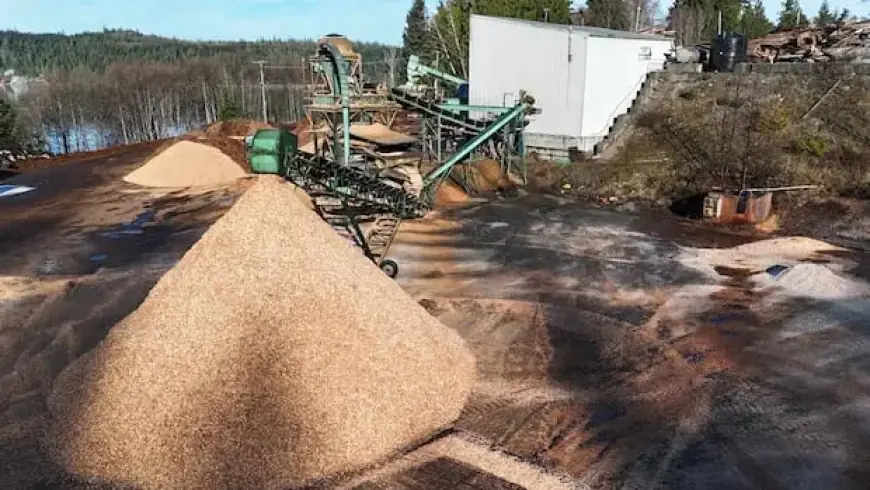
The ʼNa̱mǥis Nation has announced the permanent closure of its wood chip facility, Atli Chip LP, located on North Vancouver Island. The decision comes in response to the recent closure of the Crofton mill in British Columbia, which is also a significant player in the region’s forestry sector. This closure is expected to have considerable repercussions for the local economy.
Impact on Employment and Community
Atli Chip LP directly employed nine individuals, but the closure will also affect numerous contractors and suppliers in the Beaver Cove area, situated near Port McNeill. The company’s chief executive, Jonathan Lok, emphasized the high level of pride and professionalism of the workforce.
- Direct employees: 9
- Contractor positions: 10 to 15
- Additional impacts: Mechanics, electricians, and other tertiary suppliers
Lok commented on the economic challenges, noting the rural nature of the North Island and its reliance on the forestry industry. The facility officially announced its closure on January 20 and is expected to cease operations by the end of February.
Broader Economic Concerns
Anna Kindy, the MLA for North Island, described the closure as a severe blow to the community, where many are already grappling with job losses in the resource sector. Similarly, North Island-Powell River MP Aaron Gunn criticized government policies for contributing to the job losses.
Gunn stated that the interconnectedness of British Columbia’s forest sector has been profoundly affected. “It’s another example of the challenges facing this vital industry,” he expressed in a social media post.
Government Response and Future Outlook
Forests Minister Ravi Parmar expressed disappointment over the facility’s closure but acknowledged the broader issues faced by the industry. He cited increasing U.S. duties on softwood lumber imports and diminishing access to timber resources as significant contributing factors.
To adapt, the provincial government is exploring new export markets, including the establishment of a forest trade office in the United Kingdom. “Partnerships and a long-term vision are crucial for a resilient future in coastal forestry,” Parmar remarked, emphasizing hope amidst the challenges.
The province is also in discussions with the Town of Port McNeill to provide support during this transitional phase. The closure of the First Nation-owned wood chip facility underscores the complexities facing Canada’s forestry sector and the need for strategic adjustments moving forward.