























Grocery Giants Dominate Local Food Sales

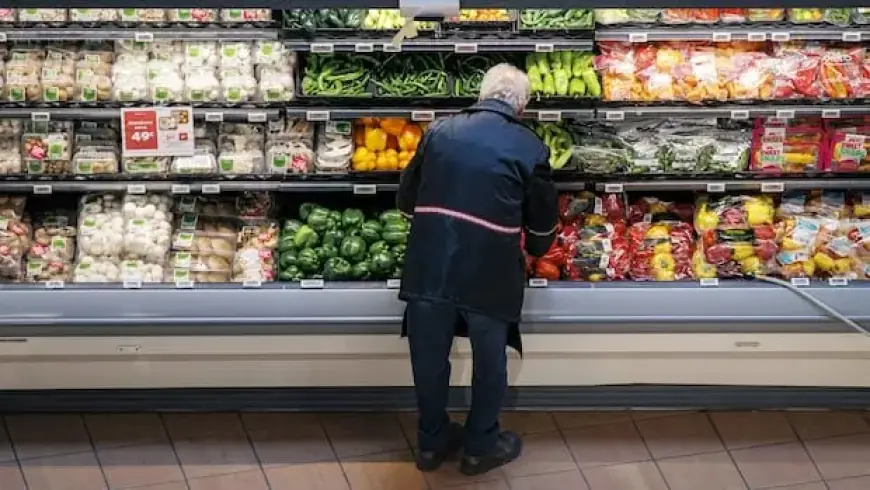
Canada’s major grocery chains—Loblaws, Sobeys, and Metro—are reportedly leveraging property law to exert control over local food sales. An investigation by CBC’s Marketplace has uncovered how these companies use property controls to limit competition from other retailers, including grocery stores, dollar stores, pharmacies, and gas stations.
Understanding Property Controls in Grocery Retail
Property controls, also referred to as restrictive covenants or exclusivity clauses, are agreements made between landowners and retailers. These agreements restrict the types of businesses that can operate nearby, effectively allowing grocery giants to monopolize food sales in given areas.
Legal Framework and Implications
These property controls often exist in lease agreements or are registered directly on property titles. The terms can vary significantly. Some clauses prohibit competitors from selling food altogether, while others allow for some discretion.
- In Winnipeg, a Sobeys property control prohibits food sales unless approved by Sobeys, which can be denied arbitrarily.
- A Metro property control in Waterloo limits food sales by nearby retailers and bans larger restaurants from opening close by.
Impact on Competition and Consumer Prices
Experts like economist Jim Stanford argue that these practices create an unfair competitive landscape. “These are not mom-and-pop shops,” he stated. “They face fewer competitive constraints compared to firms in other sectors.” As a result, consumers may pay higher prices due to reduced marketplace competition.
Rising Grocery Prices and Local Examples
The price of groceries has been escalating faster than inflation since the pandemic’s onset. For instance, Teresa Petrie from Picton, Ontario, has noted a dramatic price increase from $6.59 to $11 for red peppers within a few years. She attributes this rise to restricted competition in her area.
Government Interventions and Investigations
Amid increasing concerns over grocery prices, the federal government is investigating these property restrictions. The Competition Bureau is particularly focused on their impact on market competition. In June 2024, it received court orders to further investigate the use of property controls by Sobeys and Loblaws.
- Manitoba has implemented the Property Controls for Grocery Stores and Supermarkets Act, requiring grocery corporations to register their property controls.
- Failure to register could render these controls invalid.
Corporate Responses and the Future of Competition
Loblaws has expressed a willingness to eliminate some property controls, provided other grocery retailers follow suit. Meanwhile, Metro and Sobeys have declined to comment on the situation.
Shoppers are urging more governmental action to prevent grocery chains from enforcing property controls. Many believe that essential consumer needs should not be subjected to corporate property agreements. The investigation by the Competition Bureau is ongoing, with hopes of fostering a more competitive grocery market in Canada.