























Winter Driving: Expert Tips for Safe Arrival

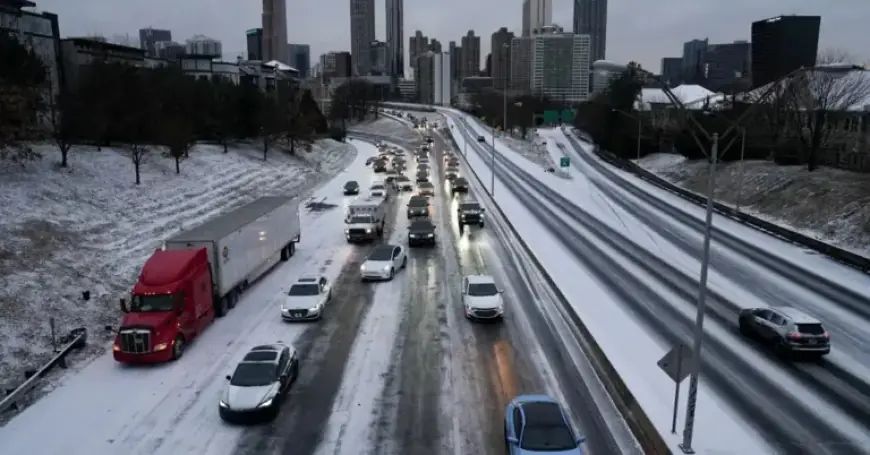
A significant winter storm is forecasted to impact the Eastern and Central United States, bringing heavy snowfall and potential icy conditions. This weather may create hazardous driving conditions, particularly in areas unaccustomed to severe winter weather. Authorities strongly encourage minimizing travel during this time to reduce accidents and ensure road safety for emergency responders and maintenance crews.
Expert Tips for Winter Driving Safety
Understanding how to navigate winter weather is crucial. Here are some expert suggestions to ensure a safe arrival during winter storms.
Stay Informed About Weather Conditions
- Check forecasts from reliable sources like state transportation departments and the National Weather Service.
- Monitor updates on travel advisories through social media accounts and local news.
Prepare Your Vehicle
Before hitting the road, make sure your vehicle is winter-ready. This includes:
- Ensuring your gas tank is full.
- Checking tire tread depth and inflation.
- Confirming that your battery, wipers, and cooling systems are functioning properly.
- Clearing all snow and ice from your vehicle’s surfaces, including sensors and cameras.
Packing emergency supplies is also essential. Include items like:
- Blankets
- Water
- Flashlights and warning lights
- Cell phone and charger
- Basic tools like a snow shovel, broom, and ice scraper
Drive Cautiously
Winter road conditions can shift rapidly. It is vital to stay alert while driving. Here are crucial tips:
- Reduce speed to about two-thirds of your normal driving pace.
- Maintain ample space between your vehicle and others.
- Utilize headlights for better visibility.
In particular, avoid driving on highways that have barriers on both sides. Elevated structures such as bridges may freeze faster, making them riskier.
Avoid Using Cruise Control
During icy and snowy conditions, it is advisable to refrain from using cruise control. This feature can limit your ability to react quickly to changing road conditions. Experts also recommend:
- Awareness of high-traffic areas where vehicles frequently start and stop, as those spots can be more slippery.
- Avoid making sudden stops or sharp turns to prevent losing control.
Responses to Emergencies
If you encounter trouble, maintain a steady grip on the steering wheel. Gently apply brakes and maneuver your vehicle into clear space, if possible. In scenarios where a pileup appears inevitable, aiming for the roadside ditch can be a safer option to prevent flipping over.
By following these tips, drivers can significantly enhance their safety and remain vigilant on the roads this winter. Prioritize preparation and caution to achieve a safe arrival.