























Minnesota Unrest Escalates: Key Insights and Developments

The political climate in Minnesota has become increasingly tumultuous following the fatal shooting of Renee Macklin Good by a U.S. Immigration and Customs Enforcement (ICE) officer. This incident has sparked protests and legal disputes related to the heightened federal law enforcement presence in the city.
Minnesota Unrest Escalates: Key Developments
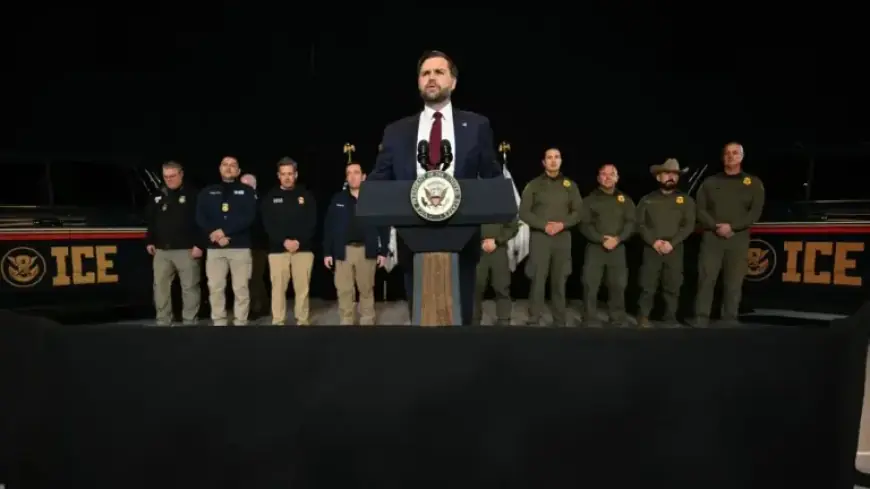
In the wake of Good’s death, Minneapolis has evolved into a focal point of unrest. The situation has illuminated ongoing tensions between state and federal authorities. Vice President JD Vance visited the city to address these rising tensions, attempting to shift blame away from federal agencies for the unrest occurring uniquely in Minneapolis.
Federal Presence and Political Responses
Vance noted that the chaos in Minneapolis differs significantly from reactions to federal deployments in other liberal cities. He cited the need for better collaboration between local and federal law enforcement. Meanwhile, President Trump has suggested the possibility of invoking the Insurrection Act to manage the protests, with the Pentagon preparing to deploy up to 1,500 troops if necessary.
State Lawmakers React
Local leaders, including Minneapolis Mayor Jacob Frey, have expressed concerns over the federal government’s actions, dubbing them invasive. Minnesota has also been in the national spotlight due to several violent incidents, such as a mass shooting at a Catholic school in August and the political assassination of state lawmaker Melissa Hortman and her spouse.
Background on Federal Actions in Minnesota
- Allegations of fraud in state-funded programs have prompted investigations, particularly targeting organizations run by Somali Americans.
- A $250 million fraud scheme related to a COVID-era nutrition program resulted in charges against multiple individuals.
- Democratic Governor Tim Walz has publicly criticized the Trump administration for politicizing the issue.
Impact on Minnesota’s Political Landscape
As the federal crackdown escalates, the political implications for Minnesota are profound. Governor Walz recently announced his withdrawal from the gubernatorial race, focusing instead on fraud investigations. This decision reflects the increased scrutiny faced by him and state Democrats amidst these controversies.
Political experts highlight that Minnesota’s political environment is complex. With a divided government and recent allegations of fraud thrusting the Democratic Party into the spotlight, Republicans see opportunities for gains in future elections.
Community Response and Federal Relations
Residents have reported a growing sense of fear due to the increased presence of federal agents. Local party leaders have warned that Trump’s policies could extend beyond undocumented immigrants, affecting American citizens as well. Ongoing legal challenges against federal immigration policies and allegations of political intimidation are shaping the current landscape.
As tensions rise in Minnesota, the unfolding developments will play a critical role in shaping the state’s future political strategies and the community’s relationship with federal authorities.