
























BOJ Signals Rate Hikes, Warns Against Yield Spike in Hawkish Shift

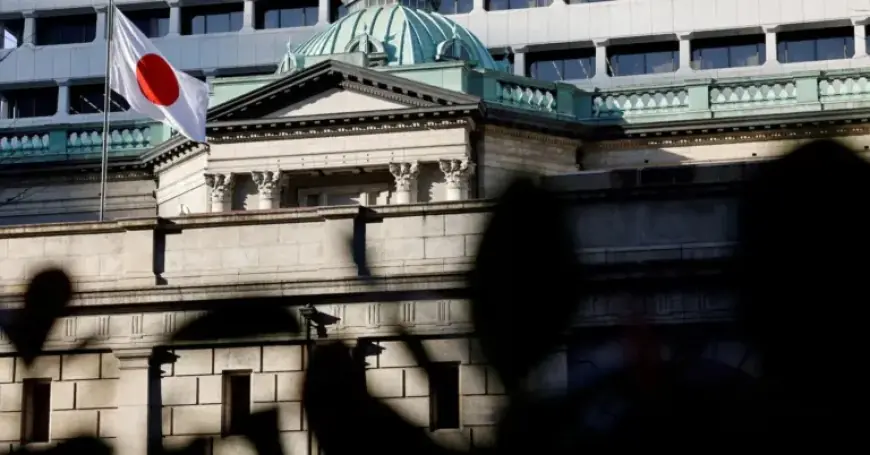
The Bank of Japan (BOJ) recently maintained its key policy interest rate at 0.75%, a decision widely anticipated by analysts. The central bank emphasized vigilance regarding inflation risks, particularly those stemming from a weak yen, while indicating a readiness to continue raising interest rates in the future.
Economic Forecasts and Inflation Outlook
At a two-day meeting concluding on January 23, the BOJ revised its economic growth forecasts for fiscal years 2025 and 2026, indicating a more optimistic perspective. The central bank projected a gradual strengthening of the positive cycle of income and expenditure.
- Fiscal 2026 core consumer inflation forecast raised to 1.9% from 1.8%.
- Inflation and economic risks deemed relatively balanced.
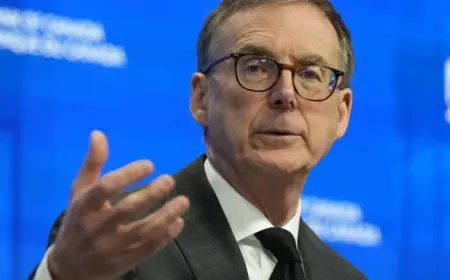
Governor Kazuo Ueda noted that steady wage increases are encouraging firms to adjust labor costs. He highlighted the importance of keenly observing various data, including corporate surveys, to inform future rate decisions.
Market Reactions and Currency Dynamics
Despite the BOJ’s hawkish tone, the yen initially fell to 159.21 per dollar but later spiked to around 157.30. This volatility raised concerns among traders about potential government intervention to stabilize the currency.
Ueda stated, “We will continue to raise interest rates if our economic and price forecasts materialize.” He explained that the pace and timing of future rate hikes will depend on ongoing economic assessments.
Bond Yield Concerns and Policy Challenges
The recent surge in bond yields poses a challenge for the BOJ. Ueda warned investors against excessive increases in long-term interest rates. He acknowledged the bank’s readiness to act swiftly in response to unusual market fluctuations.
The BOJ has been gradually tapering its bond purchases since 2024 but could potentially reverse this course if market stresses increase. Analysts suggest that the conditions for emergency interventions are stringent, as they might undermine efforts toward normalizing monetary policies.
Looking Ahead
Market analysts expect the BOJ to hold off on further rate hikes until July, with a majority anticipating the rate will reach 1% or higher by September. Expectations for a government stimulus package, led by Prime Minister Sanae Takaichi, contribute to mixed outlooks for Japan’s economy.
The BOJ finds itself balancing the need for hawkish communication regarding currency stabilization against the risk of rising bond yields. The coming months will be crucial in determining the trajectory of both monetary policy and economic performance in Japan.