ACLU Urges Skepticism Towards School Surveillance Tech at FETC26

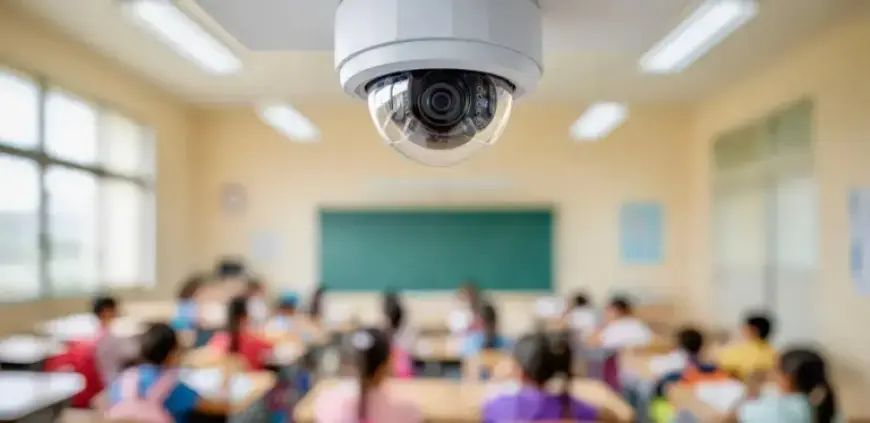
Recent developments in school surveillance technology have sparked significant debate among educators, parents, and advocacy groups. While many K-12 districts are investing in these technologies, critics, including the American Civil Liberties Union (ACLU), question their efficacy and potential risks to student privacy.
Understanding Student Surveillance Technology
Student surveillance technology aims to enhance safety by detecting early signs of risk. However, these systems vary widely in their functionality and monitoring capabilities. Common tools include:
- Social Media Monitoring: These systems analyze students’ online activities by scanning for specific words or phrases deemed concerning.
- Weapons Detection Software: This technology evaluates video feeds from surveillance cameras to identify potential weapons using artificial intelligence.
- Behavioral Detection Technology: These tools assess students’ facial expressions and body language to gauge emotional states and predict behaviors.
While intended to prevent harm, the reliability of such surveillance systems is under scrutiny. Instances of false alerts, such as a 2025 incident where a chip bag was misidentified as a firearm, raise concerns about their accuracy.
Criticism of Surveillance Marketing Tactics
During a recent panel at the Future of Education Technology Conference (FETC) in Orlando, Chad Marlow from the ACLU criticized the marketing strategies used by tech vendors. He highlighted that these companies capitalize on fear, exaggerating safety risks to promote their products. A 2023 ACLU report showcased how vendors focus on emotional messaging, emphasizing worst-case scenarios to instill urgency.
Marlow cautioned against accepting these claims without scrutiny. He stated that the perceived threats to safety are often exaggerated, asserting that the surveillance industry attempts to manipulate feelings rather than ground claims in empirical evidence. For instance, one vendor’s boast of preventing 1,562 student suicides was called out as misleading.
Potential Impact on Student Culture
There are broader implications for school culture as well. Surveillance systems can inadvertently shift the focus from serious threats to minor infractions, with concerns that this undermines student rights. Marlow pointed out that such environments can lead to increased anxiety among students, teaching them to mistrust their peers and faculty.
Recommendations for Educational Institutions
In light of these concerns, Marlow urged school districts to adopt a cautious and skeptical approach when considering surveillance technologies. Key recommendations include:
- Conducting thorough research on the effectiveness of each tool before implementation.
- Considering alternative interventions that may serve students better.
- Acknowledging the distinction between feeling safe and actual safety.
Marlow emphasized that just because a solution is inexpensive or free does not mean it comes without significant costs to student well-being and autonomy. Schools must weigh the potential impacts of surveillance technologies on their community against the benefits of alternative safety measures.
In conclusion, as school districts navigate the complexities of integrating technology into their safety protocols, careful evaluation and critical analysis of surveillance tools will be essential to protect student rights and foster a healthy educational environment.