Niall Breslin joins quest to name thousands in unmarked graves
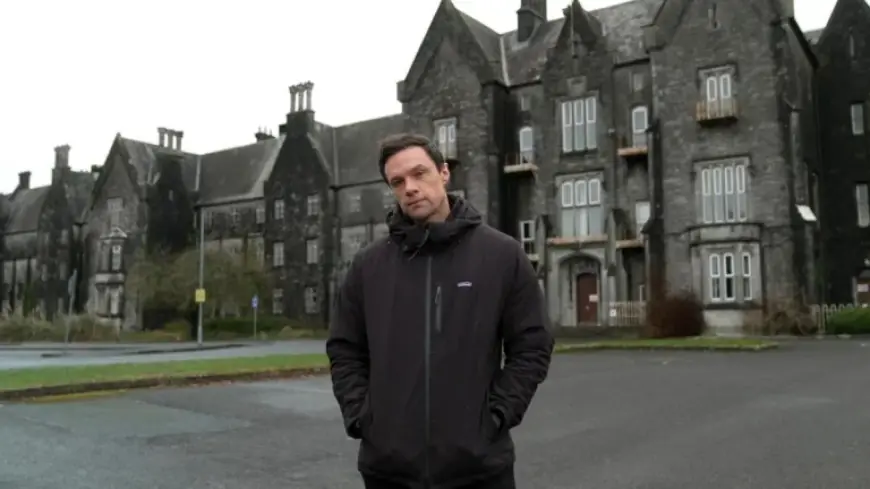
In a new program, niall breslin teams with families in Mullingar to remember more than 1, 300 people buried without names at St Loman’s, the former “Lunatic Asylum” in his hometown. The effort intersects with a broader campaign urging the HSE to release the identities of over 50, 000 patients buried across 18 former psychiatric hospitals so they can be publicly memorialized.
St Loman’s, Mullingar unmarked graves
At St Loman’s in Mullingar, more than 1, 300 Irish people were interred under numbered metal crosses rather than their names. The project involving Niall ‘Bressie’ Breslin seeks to restore the graveyard as a sacred place and uncover stories of adults and children who were committed, died, and were buried without identification. The figures point to a long-running practice of anonymous burials that families are now working to reverse.
Many of the graves at the Westmeath facility, interred between 1907 and 1970, now lie in an overgrown area. Julianne Clarke said most of the simple white crosses placed by relatives at St Loman’s were removed in 2011 to facilitate mowing. Only 14 families of the 1, 300 in Mullingar have so far claimed relatives’ resting places, underscoring both the scale of the task and the information gaps families must navigate.
HSE release of names
Campaigners — including musician Bressie — want the HSE to release the names of more than 50, 000 people buried at the grounds of 18 former mental hospitals so those individuals can be remembered with memorial walls and marked graves. These facilities spanned counties including Galway, Dublin, Cork, Limerick, Laois, Tipperary, Westmeath and Kerry, reflecting a nationwide issue rather than a localized anomaly. If released, the names would allow families to identify loved ones and mark graves with dignity.
Psychotherapist and musician Kathy Crinion and her cousin Julianne Clarke helped found the website Friends of Julie as a platform to encourage families to come forward. Their involvement followed a 14-year search for their great-grandmother’s grave at St Loman’s. The pattern suggests that centralized record-sharing by the HSE could accelerate individual family efforts that currently depend on scattered information and personal initiative.
‘All That Remains’ and Niall Breslin
All That Remains brings the remembrance effort into public view with Niall Breslin at its center. A former rugby player, musician and mental health advocate, he works alongside families of the forgotten to spotlight the 1, 300 at St Loman’s and, by extension, the tens of thousands buried at other former institutions. Greater visibility can galvanize participation, and niall breslin’s profile may help draw more relatives to claim, name, and commemorate those still identified only by numbers.
The campaign’s urgency is captured in one family’s story. Julia Leonard was committed to St Loman’s at age 30 while pregnant. Her children, then between 18 months and nine years old, were sent to workhouses in Trim and Mullingar; the baby born in the hospital was separated from her at three months. Julia Leonard later died of heart failure at 54 and was buried at the hospital under a metal cross marked only with the number 339. After failing to locate an exact grave for exhumation, her descendants erected a white cross bearing her name on the site they believe to be hers, a step that inspired other families to do the same.
What happens next hinges on a single decision: whether the HSE will release the names of more than 50, 000 people from the 18 former psychiatric hospitals for memorialization. If that release materializes, families and local organizers could move from piecemeal searches to systematic remembrance, including named crosses and memorial walls at sites like St Loman’s in Mullingar.