Brian Rolapp Unveils Six Themes Shaping PGA Tour’s Future Schedule

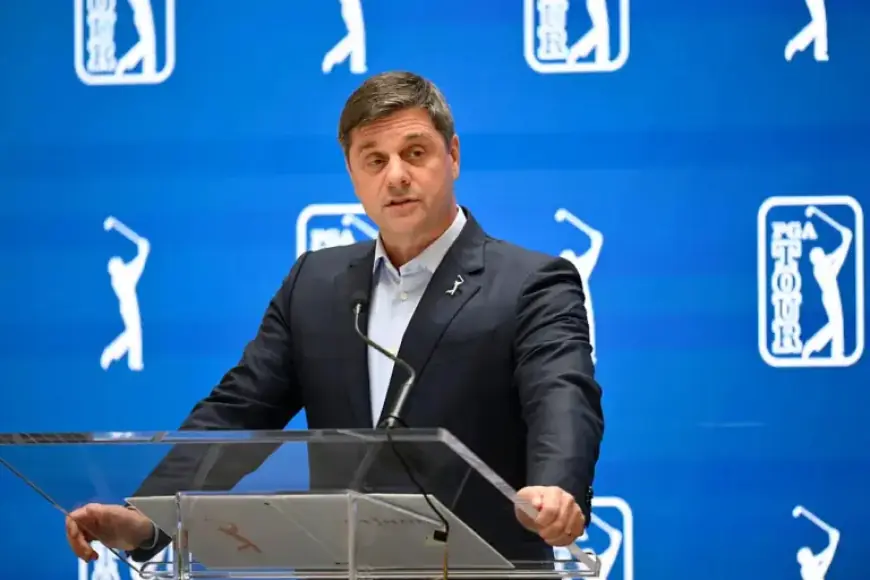
Brian Rolapp, the PGA Tour’s first CEO, recently shared insights about the Tour’s future at a press conference held at TPC Sawgrass. His focus was on the upcoming schedule and structural changes that prioritize golf fans. Rolapp emphasized that six themes could reshape the Tour’s future as early as 2027.
Six Themes Shaping the PGA Tour’s Future Schedule
1. A Revamped Competition Calendar
The proposed schedule will span from late January to early September, consisting of 21 to 26 events. A key goal is to increase signature events from eight to 16. Additionally, a new tier of tournaments may serve as a pathway for players to qualify for these premier events.
2. Emphasis on Traditional Cuts
Gone are the days of small-field, no-cut tournaments, which have faced criticism from fans. Rolapp reaffirmed the importance of reinstating cuts for every event, helping spectators easily track player participation and performance.
3. Introduction of a Dual-Track Competitive Model
Inspired by soccer’s Premier League, Rolapp proposed a dual-track system for the Tour. This model could incorporate a promotion and relegation structure, enhancing competitive stakes and giving each event renewed significance.
4. Focusing on Major Markets
To broaden its appeal, the PGA Tour plans to host more events in major U.S. markets. Cities like New York, Chicago, Philadelphia, San Francisco, Washington, D.C., and Boston will be prioritized, as currently, the Tour only operates in four of the top ten largest U.S. media markets.
5. A Grand Season Opener in the West
Rolapp emphasized the need for a highlight event to kick off the season in an iconic West Coast location. This strategy leverages favorable weather and maximizes television viewership during the NFL season.
6. Potential for Match Play Events
Among the most exciting prospects is the potential introduction of match play. Rolapp mentioned the Future Competition Committee’s consideration of incorporating match play into the Tour Championship or other postseason events, a move likely to resonate well with golf enthusiasts.
Rolapp’s initiatives reflect a shift toward a fan-centric approach, reminiscent of his NFL background. He noted, “Think like a fan, and you’ll likely find the right answer.” This perspective is expected to invigorate the PGA Tour and engage golf fans more effectively.