Trump Accuses Democrats of Cheating: What Do His Supporters Believe?

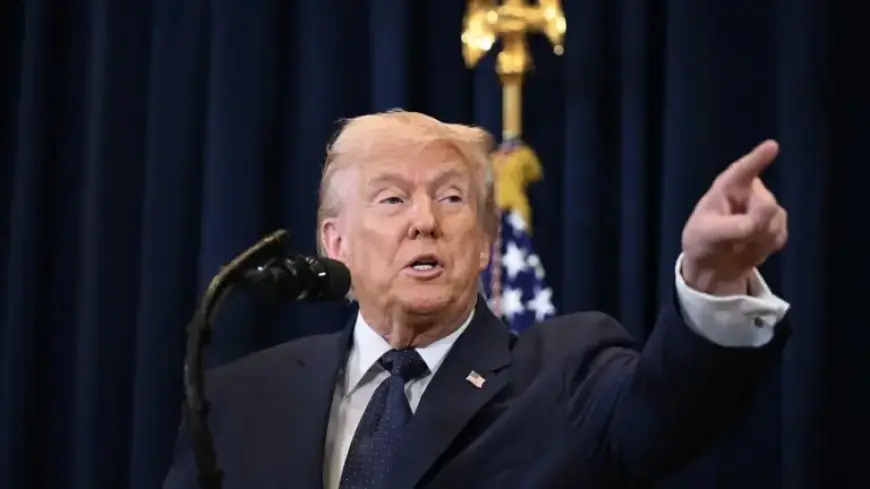
Recently, President Donald Trump accused Democrats of plotting to cheat in upcoming elections. This claim was reiterated during his State of the Union address, where he stated, “They want to cheat.” However, he did not provide any evidence to support this assertion.
Public Opinion on Trump’s Cheating Claims
A survey conducted in Pennsylvania’s 10th and 7th congressional districts revealed that many Republicans disagree with Trump’s allegations. They believe that Democrats could win fair and square without resorting to cheating. Richard Cline, a 69-year-old preacher, highlighted the difficulty of executing fraud in today’s elections, stating, “It’s too hard to really pull something off that would be considered fraud.”
Patrick Basom, a Republican insurance salesman and York County Republican Committee candidate, expressed skepticism about the cheating claims. “We don’t expect them to cheat,” he said. This skepticism reflects a shift in the Republican worldview since the 2020 election.
Shifting Beliefs Among Republicans
Following Trump’s 2020 election loss, an NPR/PBS News/Marist poll found that over 70% of Republicans expressed distrust in the election results. However, after Trump’s recent victory in 2024, 90% of Republicans reported confidence in the electoral process. According to Lee Miringoff, a pollster from Marist College, there is considerable bipartisan trust in the system, with two-thirds of respondents believing ballots will be counted accurately.
Furthermore, a survey from the Center for Transparent and Trusted Elections at the University of California, San Diego, indicated a shift in how Republicans evaluate election integrity. Although 30% still trust Trump’s perspective, most now rely on local and state officials or news outlets for information on election fairness.
The Influence of Family on Beliefs
Norine Haertsch, a Harrisburg resident, shared that her daughter-in-law previously believed in widespread cheating but changed her opinion after working at York County’s Office of Elections and Voter Registration. “There’s no way they can cheat,” she was quoted. This anecdote illustrates how personal experiences can alter public perception regarding election integrity.
Concerns Over Election Integrity
Democrats argue that Trump’s cheating accusations serve as a pretext for potential electoral interference, particularly as the midterms approach. Thomas Fink, vice president of the Camp Hill Borough Council, criticized Trump’s narrative, suggesting it falsely justifies interference in the electoral process.
The White House responded to these allegations, emphasizing the importance of public confidence in election administration. They advocate for measures like photo ID requirements and up-to-date voter rolls to prevent noncitizen participation.
Voter Legislation and Public Reception
Supporters of stricter voting laws, like the SAVE America Act, argue that such measures are necessary to ensure legitimate voting. However, critics warn that these laws could disenfranchise many eligible voters. Valerie Schock, a poll worker in Carlisle, argued for requiring proof of citizenship for voter registration to uphold election integrity.
Despite these concerns, the perception of election fraud seems to be diminishing among younger Republicans. Harrison Smetana, president of the Lehigh University College Republicans, mentioned that Trump’s claims about the 2020 election do not resonate with him and his peers. “It seems like it’s something that was, what, six years ago now?” he remarked, noting a shift in focus among younger voters.
Conclusion
As the midterm elections approach, opinions about Trump’s allegations of electoral cheating continue to evolve. While many Republicans support the idea of election integrity, the belief in widespread voter fraud appears to be waning. This shift could significantly influence the political landscape leading up to the elections.