























Unveiling Trump’s ‘Board of Peace’: Key Members and Insights

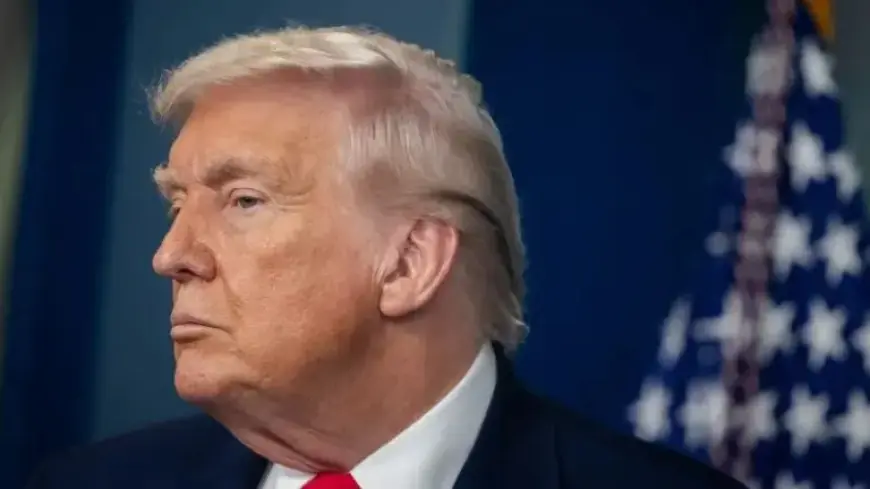
The concept of President Donald Trump’s “Board of Peace” has emerged as a controversial initiative aimed at addressing global conflicts. Currently, it has captured the attention of various nations, including Middle Eastern monarchies and leaders from contentious regimes. However, many Western allies express significant apprehension regarding its formation and implications.
Members of the Board of Peace
Trump’s initiative has attracted a diverse array of participants from multiple regions. Notably, the following countries have accepted invitations:
- United Arab Emirates
- Saudi Arabia
- Egypt
- Qatar
- Bahrain
- Pakistan
- Turkey
- Hungary
- Morocco
- Kosovo
- Argentina
- Paraguay
- Kazakhstan
- Uzbekistan
- Indonesia
- Vietnam
Notable Leaders
Aside from the Gulf states, several high-profile figures are part of this initiative:
- Jared Kushner – Trump’s son-in-law
- Marco Rubio – Secretary of State
- Steve Witkoff – Special Envoy
- Tony Blair – Former British Prime Minister
- Benjamin Netanyahu – Prime Minister of Israel
- Alexander Lukashenko – Leader of Belarus
Objectives and Controversies
Initially proposed as part of a Gaza ceasefire plan, the Board’s scope has expanded. Its aim is to foster stability and governance in conflict-affected regions globally. Trump’s indefinite chairmanship raises eyebrows, especially as discussions surface about the potential to replace the United Nations.
Concerns from Global Leaders
Many leaders have expressed hesitance about joining:
- France and Norway have declined participation due to concerns over the board’s alignment with the UN.
- Canadian Mark Carney will attend under specific conditions and is cautious about financial implications.
- Ukrainian President Volodymyr Zelensky has flatly rejected collaboration with Russia.
- Italian Prime Minister Giorgia Meloni cited potential constitutional issues.
Financial Aspects of the Board
The Board of Peace’s funding mechanism could also raise ethical questions. Member states are expected to pay $1 billion to secure permanent seats after a three-year term. Critics argue this approach may lead to corruption, undermining the organization’s integrity.
Response from the United Nations
Tom Fletcher, the UN’s top humanitarian official, has clarified that the United Nations will continue its vital role in maintaining global peace. He emphasized that the Board of Peace will not replace the longstanding institution.
In conclusion, while Trump’s “Board of Peace” offers a novel approach to global conflict resolution, skepticism persists, particularly from Western allies and the UN. How this initiative evolves will be crucial in shaping international relations in the coming years.