
























Australian Open Naomi Osaka Update: Three-Set Win, Tense Finish, and a Third-Round Test That Could Shape Her Run

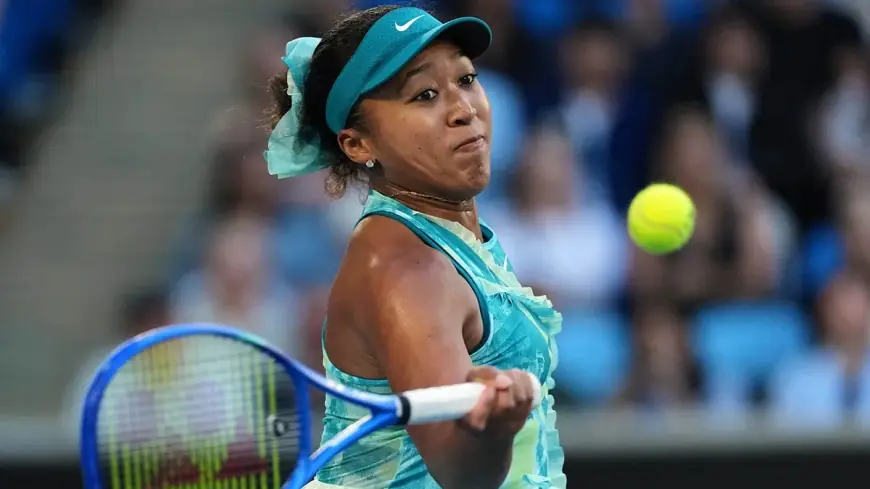
Naomi Osaka’s Australian Open campaign is gaining momentum—and complexity—at the same time. On January 22, 2026, Osaka battled past Sorana Cirstea in three sets (6-3, 4-6, 6-2) to reach the third round, delivering another reminder that her best tennis can still rise quickly when pressure peaks. The match also ended with a noticeably frosty exchange at the net, adding an emotional edge to a tournament that has already featured dramatic swings, physical check-ins, and headline-grabbing style.
For Osaka, the storyline is bigger than one win: it’s about whether she can turn these early-round firefights into a platform for a deep Australian Open run, and whether she can do it while managing both intensity and efficiency.
Osaka tennis: What decided the Osaka vs Cirstea match?
The scoreline tells a familiar recent pattern for Osaka in Melbourne—strong stretches, a wobble, then a decisive close. After taking the first set 6-3, Osaka’s error count and rhythm dipped in the second, allowing Cirstea to level the match. The third set was the clearest snapshot of Osaka’s upside: she tightened her patterns, protected her serve more assertively, and accelerated through the final stretch to win 6-2.
A key separator was Osaka’s ability to raise her pace late. When her first strike tennis is clicking—serve plus the next ball, or return plus immediate pressure—she can take time away even from experienced baseline players. The challenge is sustaining that level without donating stretches of free points.
There was also a brief medical timeout in the deciding set. Osaka continued without visible limitation afterward, but it’s a detail that matters as matches pile up in a major.
Australian Open: The handshake moment and what it signals
The end of the match drew attention because the handshake was quick and tense. The friction appeared tied to Osaka’s on-court vocal energy between points—something she uses as fuel and focus. Osaka indicated she was caught off guard by the reaction and would be open to clearing the air.
In the broader context of tennis, these moments tend to flare when a match is tight and emotions are high. For Osaka, it’s also a reminder that her competitive intensity is part of her edge—but it can become part of the narrative if it spills into interpersonal conflict. If she keeps winning, it becomes background noise; if she stumbles, it becomes a talking point.
Naomi Osaka and the Australian Open spotlight: Fashion, identity, and pressure
Osaka’s presence in Melbourne has been amplified by a striking “jellyfish-inspired” look that became a tournament talking point, with fans showing up in playful tributes. She opted for a toned-down walk-on presentation in the second round while keeping the overall aesthetic theme, which underscored something Osaka has long understood: at the biggest events, performance and persona share the stage.
The balancing act is real. When you’re one of the most recognizable athletes in the sport, every choice—outfit, body language, a post-match moment—travels as fast as the forehand highlights. Osaka’s best version historically arrives when she narrows her world to patterns, targets, and points, letting everything else orbit around that core.
What’s next for Osaka at the Australian Open?
Osaka moves into a third-round match against Australian qualifier Maddison Inglis. On paper, Osaka carries the heavier weapons. In practice, this is the kind of matchup that tests discipline:
-
The crowd energy will likely lean toward the home player.
-
Inglis can play freely with little external expectation.
-
Osaka’s priority will be starting clean, avoiding the mid-match drift that has turned early rounds into three-set battles.
If Osaka serves at a high percentage and keeps her return positioning brave—taking time rather than retreating—she can control the match. The danger zone is a slow opening set where frustration creeps in and she begins pressing for too much too soon.
Australian Open 2026 outlook: What this win means for Osaka’s ceiling
Two things can be true at once: Osaka looks dangerous, and she’s still sharpening her match toughness in real time. Winning ugly in the early rounds is often how deep runs are built, especially for players still reassembling their best patterns under pressure.
If she can convert these grinding three-set tests into straighter-set wins, her path opens. The later rounds will demand not just power, but repeatable decision-making—when to pull the trigger, when to reset, and how to manage emotional surges without letting them hijack momentum.
For now, Naomi Osaka is through, the Australian Open spotlight is brighter, and the next match is a chance to turn drama into direction—one efficient performance at a time.