

























Do Trees Explode in Extreme Cold? Unveiling the Truth

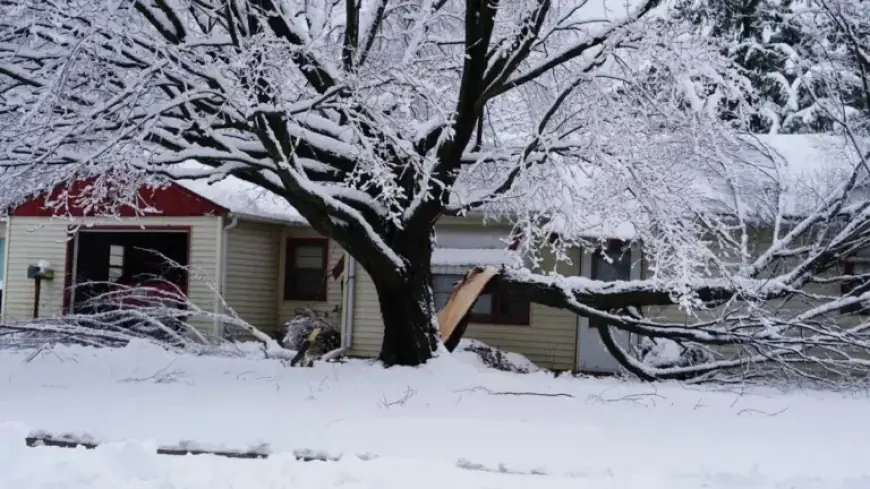
The arrival of an intense polar vortex can bring extreme cold conditions, raising concerns about various weather phenomena, including the potential for trees to explode. This winter, much of the United States is preparing for temperatures that may plummet to as low as -25 degrees Fahrenheit in certain regions. Warnings regarding “exploding trees” have gained traction, particularly in the Northern Plains and Midwest, as temperatures dip dramatically.
Understanding the Polar Vortex and Its Impact
A polar vortex consists of swirling cold air above the Arctic. While this pattern typically remains stable, it occasionally shifts southward due to interactions in the upper atmosphere, resulting in severe winter storms. An incoming polar vortex is expected to affect up to 230 million people across the U.S.
- Polar Vortex Characteristics: Generally remains above the Arctic but can extend south.
- Potential Dangers: Freezing temperatures, heavy snowfall, and ice.
- Climate Change Influence: Increasingly frequent and severe polar vortex outbreaks linked to rapidly warming Arctic conditions.
The National Snow and Ice Data Center reports that Arctic sea ice is currently at an unprecedented low for this season. This alarming trend emphasizes the urgent need for awareness and preparedness against the impacts of extreme cold.
Do Trees Explode in Extreme Cold?
Reports of trees “exploding” may stir up fear, but this phenomenon is less catastrophic than it seems. Instead of literal explosions, trees can crack and split Loud noises may emanate from the trunk as ice and temperature stresses create tension.
How It Happens
When temperatures fall below freezing, the sap inside some trees begins to solidify and expand. In particularly frigid conditions, the outside bark can contract more rapidly than the inner bark. This can result in cracks forming, producing loud sounds reminiscent of an explosion.
- Common Tree Species Affected: Maples, ash, apple trees, cottonwoods, willows.
- Typical Conditions: Most likely to occur during extremely cold, calm nights.
While some trees can sustain damage from this cracking, many can recover once temperatures rise again in spring. The lore surrounding this phenomenon even features in the traditions of Indigenous cultures, who mark certain lunar cycles with references to cracks in trees due to cold.
Safety Measures in Extreme Cold
To mitigate risks associated with severe cold, follow these safety measures:
- Stay updated with weather forecasts to plan accordingly.
- Maintain at least a half tank of gas in vehicles for emergencies.
- Dress in layers and use protective gear when outside.
- Be aware of early signs of frostbite and hypothermia.
If power outages occur, exercise caution, particularly with generators, to prevent carbon monoxide poisoning. Staying informed and prepared will help reduce risks associated with extreme cold and potentially destructive weather events.
For more insights on weather preparedness and related topics, visit Filmogaz.com.