





















New Jersey Governor Blocks Legislation Limiting Local Support to ICE

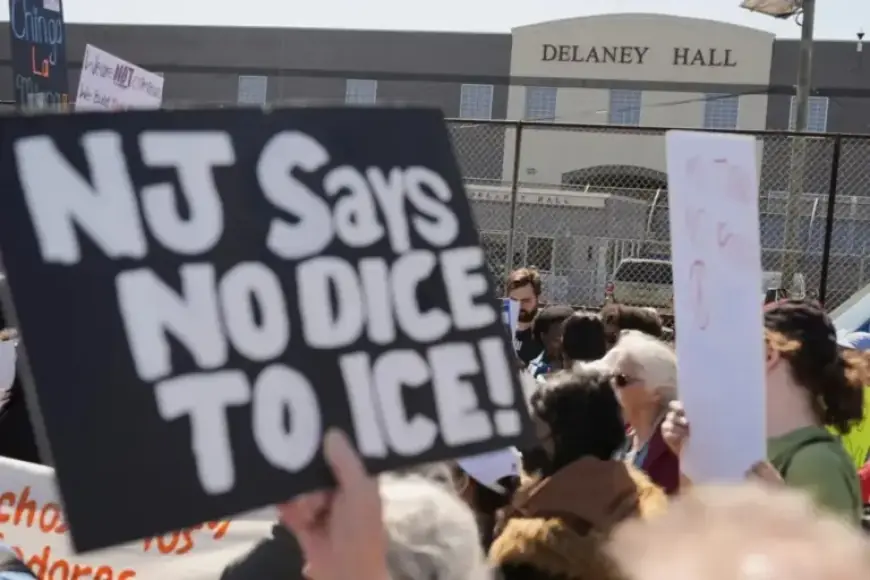
On his final day in office, former New Jersey Governor Phil Murphy exercised his veto power on a significant legislation concerning immigration enforcement. This bill sought to limit local cooperation with U.S. Immigration and Customs Enforcement (ICE) and aimed to bolster protections for immigrants in the state.
Governor Murphy’s Veto of Immigration Legislation
Phil Murphy blocked Assembly Bill 6310, which would have restricted law enforcement’s collaboration with federal immigration authorities. He justified his veto by stating that it might provoke legal challenges from the then-Trump administration, posing substantial risks to the immigrant community in New Jersey.
Advocates’ Reactions
The decision sparked outrage among advocates for immigrant rights. Nedia Morsy, director of Make the Road Action New Jersey, criticized Murphy for failing to protect immigrants. She emphasized the prevailing threats from ICE and expressed disappointment over his inaction on such a critical issue.
Context of the Legislation
The vetoed bill aimed to reinforce protections established by the Immigrant Trust Directive issued in 2018 by then-Attorney General Gurbir Grewal. This directive prohibited local law enforcement from engaging in certain ICE activities, such as the 287(g) program, which allowed local officers to enforce immigration laws.
Key Provisions of the Vetoed Bill
- Restriction on law enforcement from notifying ICE of a prisoner’s release.
- Prohibition on checking citizenship status unrelated to criminal investigations.
- Expanded limitations on how local and state agencies could assist ICE.
Murphy expressed concerns that provisions restricting ICE collaboration might not survive judicial scrutiny, further jeopardizing New Jersey’s immigrant population.
Impact on Future Legislation
Murphy’s veto means that the Democratic-led legislature will need to revisit and possibly reintroduce the legislation. The incoming governor, Mikie Sherrill, who was sworn in the same day as Murphy’s veto, has yet to declare her stance on maintaining the Immigrant Trust Directive.
Further Legislative Actions
In contrast to the vetoed bills, Murphy signed The Safe Communities Act, which mandates policies limiting immigration enforcement in sensitive areas such as schools, hospitals, and courthouses. However, some advocates deemed this measure insufficient.
Additionally, Murphy vetoed the Privacy Protection Act, designed to safeguard sensitive information, due to potential drafting oversights that could risk substantial federal funding. This could set the stage for further delays in protecting immigrant rights.
Future of the Immigrant Trust Directive
As of now, it will be crucial for Sherrill and the newly appointed attorney general, Jennifer Davenport, to decide the future of the Immigrant Trust Directive. Davenport has indicated general support for its principles but intends to review its effectiveness.
Community Response and Continuing Challenges
The challenge for immigrant rights advocates continues as they respond to the current landscape of immigration enforcement in New Jersey. Recent statistics reveal that ICE has conducted thousands of arrests, raising concerns about ongoing impacts on families and communities.
| Year | ICE Arrests in New Jersey |
|---|---|
| During Trump’s second term | 3,000+ |
Notably, recent ICE operations have resulted in high-profile arrests that have sparked protests and heightened awareness about the enforcement’s ripple effects. Advocates express a firm commitment to ensure immigrant rights remain a priority in New Jersey amid these challenges.
As New Jersey navigates its immigration policies, the conversation surrounding cooperation with ICE and protections for immigrants remains urgent and vital.