Enoch Burke transfer to Castlerea signals safety- and capacity-led decisions

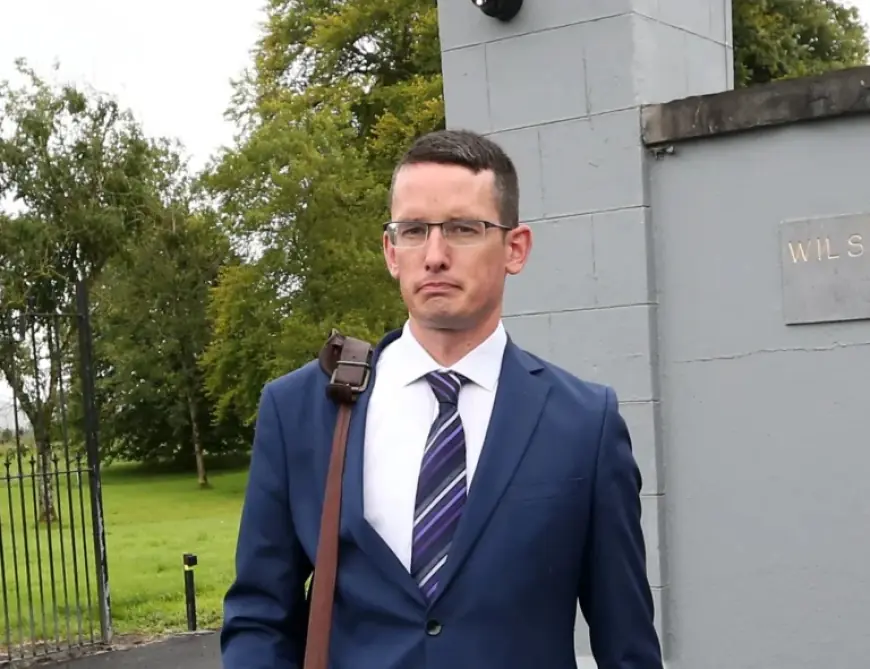
Enoch Burke was moved from Mountjoy Prison to Castlerea Prison on March 1, a transfer the High Court has heard was lawful and prompted by safety, overcrowding, and conduct concerns. That framing points toward a direction in which prison placement decisions hinge on operational risks and behavior, while a pending ruling next week will clarify how those considerations align with committal orders and civil detention.
High Court: Enoch Burke’s Mountjoy-to-Castlerea move framed as lawful
At a recent hearing, the High Court was told the decision to move Enoch Burke from Mountjoy to Castlerea complied with law. The court heard that, although he is detained on a civil matter, the Criminal Justice Act provided the legal basis for the transfer because he falls under the Act’s definition of “prisoner. ” Judgment on his challenge has been reserved to next Wednesday, with the teacher due to learn whether the relocation will stand.
Burke has argued the move breached a court order for his committal and has maintained he should be held in Mountjoy rather than Castlerea. He had been detained since January before the March 1 transfer. During the hearing, Judge Brian Cregan described the situation as a “tragedy, ” saying the teacher was “wasting 600 days in prison, ” underscoring how unresolved legal and personal stances continue to define the course of this case.
Mountjoy affidavit and conduct: safety, overcrowding, and lost enhanced regime
Details presented on behalf of the governor of Mountjoy Prison outlined a multi-factor rationale. The High Court heard the transfer was approved for a number of reasons tied to conditions and risk management, while separate testimony linked Burke’s conduct to tangible changes in his status.
- Safety: The move was approved in part for Enoch Burke’s own safety.
- Overcrowding: Capacity pressures at Mountjoy were cited among the reasons for the relocation.
- Conduct: Concerns about his behavior during an escorted trip to a court hearing precipitated the transfer.
- Regime status: Following that incident, he was stripped of the “enhanced regime” status he had enjoyed.
Taken together, these signals show prison management weighing individual behavior and institutional pressures alongside legal custody status. While Burke objected to the relocation, the court heard that the decision fit within established authority granted to prison administrators. That dynamic—operational discretion meeting active legal challenge—now defines the immediate path to the ruling.
Castlerea outlook: Judge Brian Cregan’s ruling will set the near-term path
The record now includes two key drivers: an affidavit from Mountjoy citing safety and overcrowding, and a court characterization of the transfer’s lawful basis under the Criminal Justice Act, despite Burke’s civil confinement. Added to that are behavioral findings that led to his loss of enhanced regime status. Together, those elements point toward a trajectory in which operational risk and capacity remain central to placement decisions, with statutory interpretation providing the legal scaffolding.
If this framework continues, the court’s acceptance of the legal basis presented would likely solidify the role of safety and capacity in similar placement calls. If the court upholds the transfer next Wednesday, it would affirm that a detainee in a civil matter can still meet the Act’s definition of “prisoner, ” reinforcing administrators’ discretion to move individuals for safety or overcrowding reasons. In that scenario, Enoch Burke would remain in Castlerea on the terms already set out.
Should the court find merit in Burke’s objection based on the committal order, the immediate effect would be a reassessment of how such orders interact with transfers. A successful challenge could prioritize the specifics of the committal over operational drivers in this case, potentially reshaping how prisons balance court directives with real-time management needs. The court also heard that Burke declined an offer to purge his contempt and agree not to trespass on the grounds of Wilsons Hospital School, a decision that has influenced the duration of his custody alongside the placement dispute.
The next confirmed milestone is the judgment due next Wednesday. What the context does not resolve is the precise legal reasoning the court will adopt, or the detailed account of the conduct that triggered the change in regime status. Those unresolved pieces will determine whether safety, capacity, and statutory interpretation remain the dominant forces—or whether the committal order claim resets the terms of where Enoch Burke is held.