Kalshi vs Sportsbooks: What Thunder Vs Celtics Reveals About Trading

Kalshi and traditional sportsbooks are two ways fans can put money behind the Thunder Vs Celtics matchup, and each frames the same game very differently. This comparison answers one question: how do Kalshi’s tradable probability prices stack up against sportsbook odds on criteria of pricing transparency, counterparty structure and settlement?
Kalshi: tradable contracts, Jaylen Brown and Shai Gilgeous-Alexander market signals
Kalshi lets users buy and sell “Yes” or “No” contracts tied to real-world events, including who wins when Boston’s Jaylen Brown faces the Thunder led by Shai Gilgeous-Alexander. Each contract is priced between $0 and $1, which represents the market’s estimated probability of the event. If a contract is priced at $0. 65, the market is implying a 65% chance; correct contracts settle at $1 and incorrect ones settle at $0.
Kalshi’s interface moves prices throughout the day based on market sentiment, so traders can react to news, lineups or in-game developments. The platform also promotes a short-term promotion: a $10 cash bonus after $10 in trades tied to a Kalshi promo code, which can increase early liquidity for events such as a high-profile Celtics–Thunder game on Thursday.
Thunder Vs Celtics: how sportsbooks set odds and position the house
Sportsbooks present odds for Thunder Vs Celtics matchups as a form of wagering where bettors place stakes against the house rather than trading with other market participants. The context here contrasts that model with Kalshi’s exchange-like structure: sportsbooks take on customer bets and manage liability, while bettors face fixed odds rather than continuously updating market probabilities.
Where Kalshi’s contract prices explicitly signal a probability between $0 and $1, sportsbook odds translate and round probability into payouts and spreads. That distinction changes how a bettor or trader interprets movement ahead of the Thunder Vs Celtics game: fluctuating Kalshi prices reflect peer sentiment, while sportsbook lines reflect the book’s risk management and customer flow.
CFTC oversight, settlement mechanics and what this means for the Oklahoma City Thunder game
Kalshi operates under oversight from the Commodity Futures Trading Commission, making it a federally regulated prediction market for U. S. users. That regulatory status governs how Kalshi settles contracts at $1 or $0 and sets the legal framework for trading. By contrast, sportsbooks operate under a different regulatory and commercial model focused on odds and house margin.
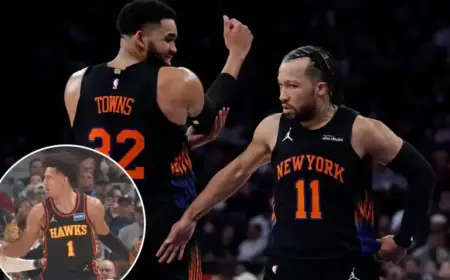
Compare the three evaluative criteria in parallel: pricing transparency (Kalshi’s $0–$1 contract prices versus sportsbook odds), counterparty (Kalshi’s peer-to-peer market versus the sportsbook house), and settlement (contract settles at $1 or $0 on Kalshi under CFTC oversight; sportsbooks pay winners per posted odds). These points apply equally to the Thunder Vs Celtics matchup and to individual players named in the matchup, like Jaylen Brown and Shai Gilgeous-Alexander.
Analysis: Kalshi offers clearer, continuously updating probability signals that traders can act on, while sportsbooks offer structured payouts and house-managed odds better suited to conventional bettors. That analysis treats both systems by the same criteria: how price forms, who bears risk, and how outcomes settle.
Finding: For participants seeking transparent market probabilities and tradable positions, Kalshi’s model provides a clearer signal; for those seeking familiar single-stake wagers and house-backed payouts, sportsbooks remain a different, simpler option. The next confirmed event that will test this finding is the Thunder Vs Celtics game on Thursday, when Kalshi contracts will settle at $1 or $0 and sportsbook outcomes pay posted odds.
If Kalshi’s market prices move in line with the actual result and the $10 bonus sustains trading liquidity, the comparison suggests Kalshi will offer a reliable, real-time probability readout distinct from sportsbook lines.