Sleep Experts Offer Tweaks as World Sleep Day Puts Focus on Habits

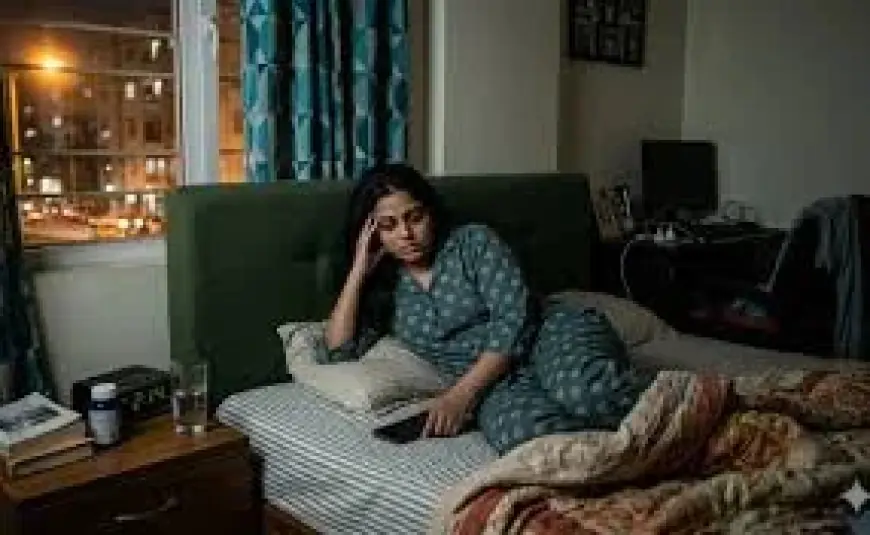
Dr. Mike Varshavski, a physician and online personality, has been emphasizing simple daily moves that can change how people sleep. On the heels of expert guides that list natural remedies and behavioral tips, attention is narrowing to routine: small habits in morning light and evening habits that can be adjusted for better rest, and world sleep day is the occasion many are citing to reconsider them.
Dr. Mike Varshavski: Morning Light, Wake Times and Naps
Varshavski has urged early light exposure in the morning to set a person’s circadian rhythm, and he stresses the importance of a consistent wake-up time. He said that if you wake up the same time every day, you will go to sleep because you will be tired; he advised considering the wake time rather than the bedtime when planning sleep.
He recommended winding down at night in a dark, cool room and lowering anxiety by reminding yourself of three good things in your life to reprogram the brain toward positivity. Varshavski also named alcohol and caffeine past 2 p. m. as common culprits for waking in the night and said a short power nap earlier in the day is acceptable while a long evening nap will affect the night’s sleep.
After the recent spring forward, Varshavski said it takes seven days to recover the one lost hour in your sleep cycle and urged people to drive carefully over the next week because they may be more tired than they realize.
World Sleep Day: Shelby Harris, Abhinav Singh and Natural Sleep Aids
Shelby Harris, Psy. D., a clinical psychologist board-certified in behavioral sleep medicine, joined other experts in weighing natural sleep aids as an option when lifestyle strategies alone fall short. Harris noted that melatonin is not a cure-all and that in sleep medicine small doses given multiple hours before bed are used to shift the body clock for delayed sleep phase disorder, jet lag, shift work sleep disorder, and occasionally for insomnia.
Abhinav Singh, M. D., the medical director of the Indiana Sleep Center, described sleep as vitally important for every organ system and said melatonin has the largest amount of research behind it compared with many other options. A review in Neuroscience & Biobehavioral Reviews, cited by experts, found melatonin helped people with sleep disorders fall asleep faster and stay asleep for longer.
Melissa Snover, a registered nutritionist and CEO and founder of Nourished, said “Sleep is a good investment, ” and the experts warned that natural solutions can still cause side effects, the most common being increased drowsiness the following day; they advised speaking to a doctor before trying anything and being aware of interactions with other medications.
Carla Finkelstein of Virginia Tech and the Case for Standard Time
Carla Finkelstein, a biologist professor at Virginia Tech and a member of the Society for Research in Biological Rhythms, argued that daylight saving time reduces morning sunlight exposure and pushes sleep schedules later, which can have negative impacts on health. She said staying on standard time year-round is much better for circadian rhythms, overall health, and well-being.
Finkelstein also highlighted early school start times as a major factor linked to poorer sleep and attention in children and teenagers, and experts in the assembled coverage recommended a 30-60 minute wind-down routine for kids before bed without cell phones in a darkened room to avoid delayed sleep.
Back where we began, Varshavski’s emphasis on light, wake times and a short recovery window after the clock change links directly to the practical steps experts named: adjusting morning exposure, avoiding late caffeine, considering melatonin under medical advice, and protecting evening routines. For now, he urged caution on the roads over the next week as people adjust, offering a concrete next milestone tied to the recent spring forward.