















Minnesota AG Keith Ellison Defends Activists Who Stormed Local Church

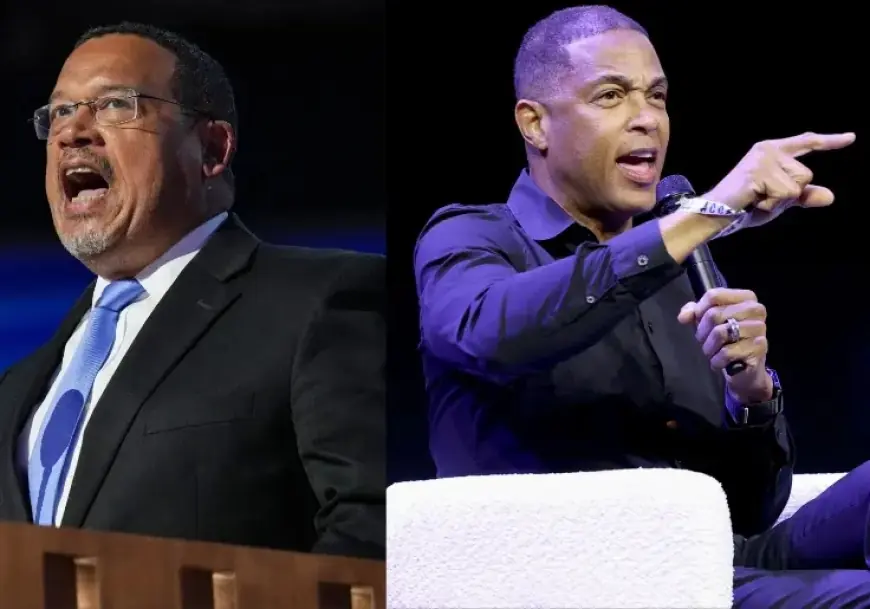
Minnesota Attorney General Keith Ellison has recently voiced support for a group of activists who disrupted a church service in St. Paul. The incident, which took place on a Sunday, involved a demonstration against the Immigration and Customs Enforcement (ICE) agency.
Incident Overview
The protest occurred at Cities Church, where activists shouted slogans like “ICE Out.” This group included Minneapolis attorney Nekima Levy Armstrong, St. Paul school board member Chauntyll Allen, and former CNN host Don Lemon, who documented the event on his YouTube channel.
- Key Figures:
- Keith Ellison – Minnesota Attorney General
- Don Lemon – Former CNN host
- Nekima Levy Armstrong – Minneapolis attorney
- Chauntyll Allen – St. Paul school board member
- Location: Cities Church, St. Paul, Minnesota
- Date: Recent Sunday
Protest Claims and Legal Implications
The protesters claimed their actions were justified by the belief that a pastor at the church was associated with ICE. Their disruption led to a federal civil rights investigation and calls for legal consequences against Lemon due to his involvement.
Public Discourse and Reactions
Ellison defended the activists in an interview with Lemon, emphasizing the importance of freedom of expression. He dismissed criticism of the protest as overly sensitive. “You know, it’s freedom of expression. People have a right to lift up their voices and make their peace,” he stated.
Lemon, during his live broadcast, asserted that he was present as a journalist, not as an activist, defending the decision to disrupt the service as a form of protected speech. He described the operation as essential for holding people accountable, stating that making others uncomfortable is necessary in challenging times.
FACE Act Considerations
The event is being scrutinized under the Freedom of Access to Clinic Entrances (FACE) Act, which prohibits intimidation at places of worship and abortion clinics. However, Ellison argued that this law does not apply to the church incident, noting its primary focus on protecting individuals seeking reproductive health services.
Despite Ellison’s defense, his previous stances on similar incidents raise questions. In 2020, he filed a brief regarding a case involving filming at a mosque, highlighting the complexities surrounding protest rights and public safety.
Conclusion
The incident at Cities Church showcases the ongoing tension between activism, public discourse, and legal interpretations of rights. As this situation unfolds, it highlights the broader implications of protest actions in America today.