Cillian Murphy vs Barry Keoghan: How a Father’s Day Text Shaped a Performance

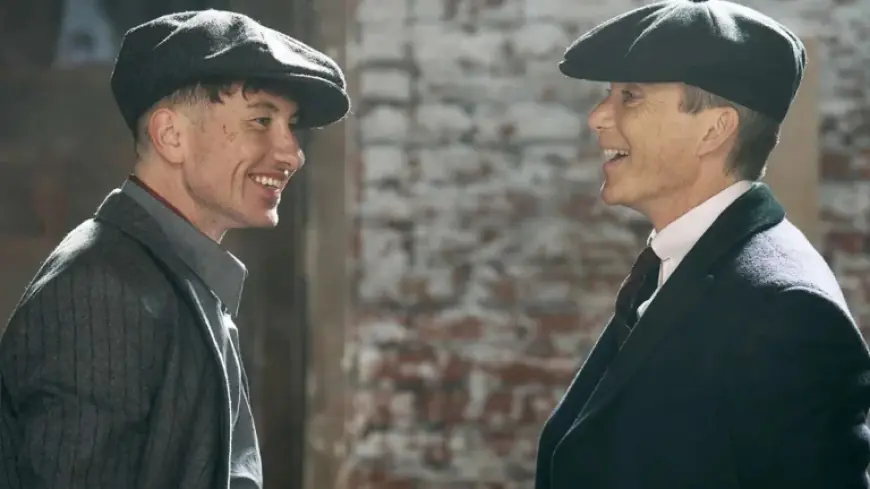
Cillian Murphy and Barry Keoghan both appear at the center of Peaky Blinders: The Immortal Man’s most talked-about casting anecdote. The comparison answers one question: did the casual Father’s Day text that offered the role or Keoghan’s deliberate preparation and personal connection to the father-son theme have the greater influence on the actor’s portrayal?
Cillian Murphy: the Father’s Day text that offered Duke Shelby
Cillian Murphy has described how he offered the role of Duke to Barry Keoghan by text on Father’s Day, saying they had known each other since Dunkirk. Murphy recounted that nobody had told him it was Father’s Day, and that Keoghan answered the proposal with a brief exchange before accepting the part. Murphy framed the anecdote as personal and immediate, an on-the-spot invitation from an established star to a former co-star.
Barry Keoghan: preparation, fan perspective, and leaning into absence
Barry Keoghan said he was a fan of the series and described feeling “nerve-wracking” upon joining. He deliberately avoided rewatching the show after being cast because he wanted to bring his own take to Duke. Keoghan told press that he drew on his own experience of an absent father, which he said humanized Duke and informed scenes that show vulnerability alongside violence. He also recalled specific on-set moments, including an early scene described as a “pigsty” scene and an initiation that took five hours and left cast members wet and sore.
Cillian Murphy offer vs Barry Keoghan preparation: where casting and craft diverge
On identical evaluative criteria—route into the role, control over interpretation, and influence on performance—Murphy’s outreach and Keoghan’s preparation show different strengths. Factually, Murphy’s informal text secured the casting quickly through a personal connection. By contrast, Keoghan’s control over interpretation is shown in his deliberate choice not to rewatch the series and in his stated use of personal history to shape Duke’s vulnerabilities.
Both sides impacted the film in concrete ways. Murphy’s text established the actor relationship and immediate access to the role; Keoghan’s preparation affected how Duke appears on screen, from emotional texture to specific physical scenes. Keoghan and Rebecca Ferguson both described the experience of joining the project as intense and immersive, with Ferguson noting the initiation that took five hours and Keoghan naming his early pigsty scene as a formative moment.
Analysis: the casting method and the actor’s preparation are complementary but not equal in causal weight. The Father’s Day text was decisive for selection, yet Keoghan’s stated choices about preparation and his personal resonance with absence more directly shaped the character’s emotional register. This evaluation treats Murphy’s offer as the mechanism of entry and Keoghan’s preparation as the mechanism of performance; the latter determines what audiences will actually see.
Practical alignment and divergence also appear in how each affected production. Murphy’s anecdote highlights an informal, relationship-based casting route that bypassed a standard audition narrative. Keoghan’s recollections—his fandom, his deliberate avoidance of rewatching, and his reliance on personal experience—explain the on-set choices that translated the casting into scenes described in press and early screenings.
Finding: the comparison establishes that while Cillian Murphy’s Father’s Day text was the decisive trigger that put Barry Keoghan in the role, Keoghan’s preparation and personal connection were the principal determinants of the performance viewers will judge. The film’s premieres—March 6 ET in select cinemas and streaming availability on March 20 ET—are the next confirmed events that will test this finding. If Barry Keoghan’s approach of deliberate reinterpretation and drawing on personal history maintains the emotional depth he described, the comparison suggests audiences will credit the performance to craft rather than the anecdotal origin of the casting.