David Protein Bar lawsuit claims testing found bigger gaps than label limits

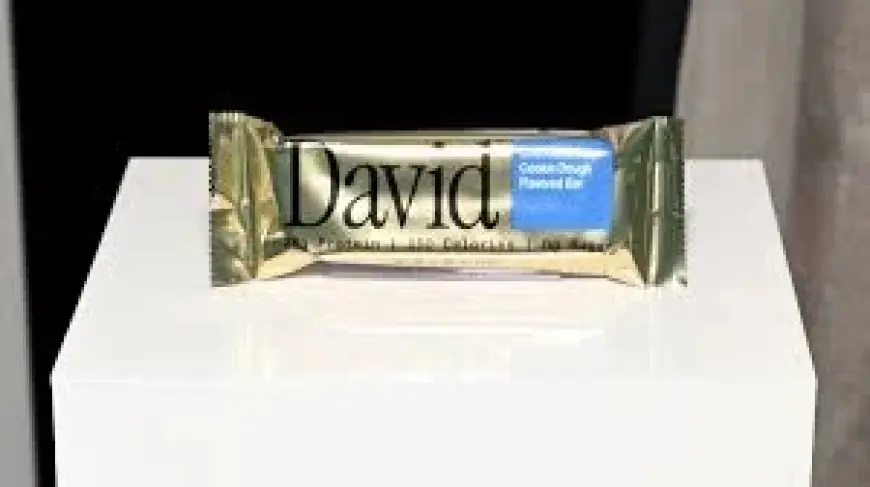
A class-action lawsuit alleges the david protein bar misrepresented the calorie and fat content shown on its labels, targeting a brand marketed to health-conscious customers. The case points to independent testing and federal labeling thresholds, while the company has publicly said it stands behind its labeling accuracy. The gap between the label claims and the testing described in the complaint sits at the center of the dispute.
Jan. 23 filing in the Southern District of New York names Linus Technologies
The confirmed record in the context begins with a complaint filed Jan. 23 in the U. S. District Court for the Southern District of New York. Three individuals who bought David bars allege the products contain “way more” calories and fat than the labels state. The lawsuit identifies Linus Technologies as the main defendant, describing it as a nutrition-focused company founded by entrepreneur Peter Rahal in 2023, and adds that Linus Technologies operates under the brand name David Protein.
Product claims featured in the lawsuit’s narrative appear on both the company’s website and the product labels: the bars contain 150 calories, 28 grams of protein, and 0 grams of sugar. The context also states the bars retail for $39 for a pack of 12, or $3. 25 a bar, and come in flavors including chocolate chip cookie and fudge brownie. The product came to market in 2024.
Those facts establish the surface issue: consumers bought a product with specific nutrition representations on the label and now challenge whether those representations match the actual nutrient content.
Atwater factors testing claims up to 83% more calories, 400% more fat
The lawsuit’s core evidence, as described in the context, is testing conducted independently and by third parties using a method referred to as the Atwater factors. The complaint claims that this testing found calorie totals exceeding what is listed on the label by as much as 83%. It also alleges the fat content is understated, with testing described as showing fat exceeding the stated label amount by as much as 400%.
The investigative tension in the context is not simply that a lawsuit exists, but that the complaint places its allegations next to a defined federal threshold. The lawsuit cites Food and Drug Administration guidelines stating a product is misbranded if the “nutrient content of the composite is greater than 20% in excess of the value for that nutrient declared on the label. ” The complaint’s alleged gaps, if verified as described, would be far above that 20% guideline.
Still, what remains unclear is how the testing described in the complaint was conducted beyond the method name, including which specific bars were tested, how many samples were involved, and whether the results were consistent across flavors or batches. The context does not confirm those details, and it does not state whether any regulator has validated the testing or made a misbranding determination.
David Protein responses: Instagram post, Peter Rahal denial, and unanswered requests
Two different public responses appear in the context, and together they illuminate what is confirmed and what is not. Linus Technologies and David Protein did not immediately respond to a request for comment. Yet, on Wednesday, the company posted a statement on Instagram: “No one is getting Regina Georged, ” referencing a scene in the movie “Mean Girls” involving a protein bar and weight gain.
Separately, after the lawsuit was filed in January, Rahal told Vanity Fair that the company “stands behind the accuracy of our product labeling” and plans to “defend this claim vigorously. ” That stance directly contests the complaint’s central contention that label figures materially understate calories and fat.
The context sets up a documented split: the complaint frames the issue as a measurable mismatch between stated and tested nutrient values, while the founder’s statement asserts labeling accuracy. For now, the context does not confirm what evidence Linus Technologies will introduce to support its position, or whether it will dispute the testing method, the sampling, or the interpretation of FDA guidelines.
What would resolve the central question is a clear, court-tested record on the specific evidence behind the complaint’s Atwater factors testing and the defense of labeling accuracy. If the alleged 83% calorie overage or 400% fat overage is confirmed in the litigation using methods accepted by the court, it would establish that the nutrient amounts diverged substantially from the label representations on the david protein bar.