






















Lane County Warned of Freezing Fog: Visibility Dropping to 1/4 Mile

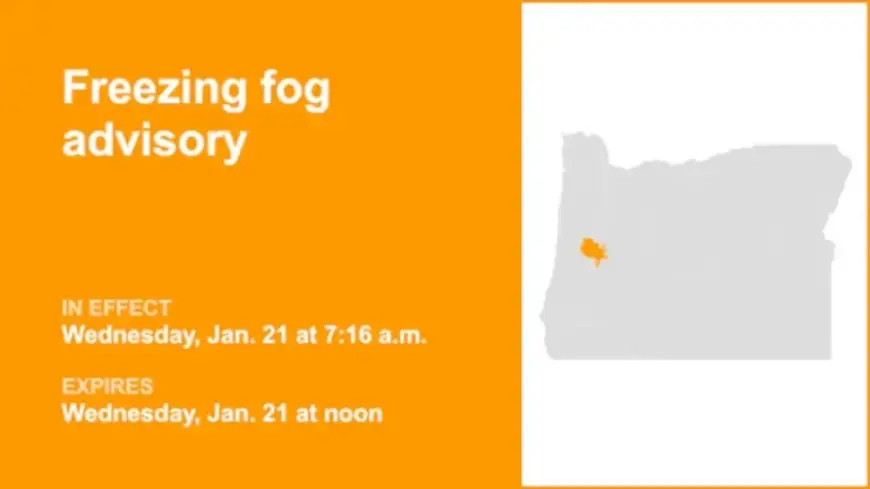
The National Weather Service has issued a freezing fog advisory for Lane County, effective from 7:16 a.m. until noon. Residents should prepare for visibility reductions, with conditions dropping to a quarter-mile or less. This advisory raises concerns about air quality, especially for individuals with respiratory issues, as the recent weather may hinder air circulation and trap pollutants near the ground.
Impact of Freezing Fog on Visibility and Driving Conditions
During freezing fog events, visibility can drastically decrease, creating hazardous driving conditions. The weather service warns that motorists should exercise caution while on the roads. Here are some crucial recommendations:
- Reduce speed to enhance reaction time.
- Use low-beam headlights to improve visibility and activate taillights.
- Avoid using high beams, as they can create glare.
- Maintain a safe distance from the vehicle ahead.
Understanding Freezing Fog
Freezing fog occurs when fog develops with surface temperatures at or below freezing. This phenomenon causes tiny liquid droplets to freeze on contact with surfaces, such as roads and vehicles, leading to icy conditions. Visibility typically falls to under a mile during such events.
Defining Freezing Fog and Its Hazards
Freezing fog forms in clear skies when the Earth cools, causing moisture in the air to condense. The resulting supercooled droplets remain liquid at temperatures below freezing until they touch a surface, where they quickly freeze, forming rime ice. This ice can coat various surfaces, including:
- Sidewalks
- Roads
- Vehicles
Black Ice: The Hidden Danger
Black ice, or clear ice, is a transparent layer of glaze that forms on roadways, often as a result of freezing fog. Its near-invisibility makes it particularly hazardous for drivers, as it is difficult to detect. Precautions should be taken to avoid black ice when traveling in conditions of freezing fog.
Staying Safe During Freezing Fog Events
When freezing fog is present, the best course of action is to limit travel. If travel is essential, adhere to the following guidelines for safety:
- Exercise high vigilance for black ice.
- Drive at reduced speeds and be aware of changing conditions.
- Utilize lane markings for navigation.
For pilots, remember that even a thin layer of ice can pose significant risks during flight. Ensure aircraft are treated with de-icing substances to maintain safety.
In conclusion, understanding freezing fog and its associated risks is critical for ensuring safety during these weather events. Stay informed and take the necessary precautions to navigate hazardous conditions effectively.