White House Weighs Waiving Shipping Rules to Lower Energy Costs

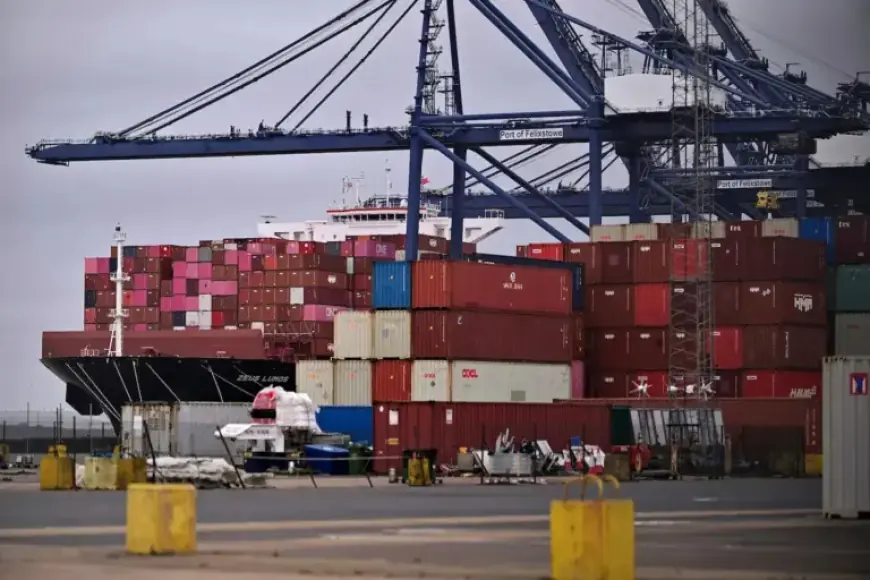
The White House is exploring the possibility of temporarily waiving a century-old shipping law. This move aims to facilitate the delivery of goods to U.S. ports amidst ongoing global shipping disruptions. These disruptions have intensified following the recent military actions involving Iran.
Impact of Global Shipping Disruptions
For nearly two weeks, shipping lanes have faced significant delays. The tensions escalated after the United States and Israel executed strikes in Iran. Consequently, vital passages like the Strait of Hormuz have experienced significant congestion, disrupting the flow of goods.
Consequences on Fuel Prices
As a result of these developments, oil prices have surged. This spike in oil costs has led to increased gasoline prices across the United States. Such a situation poses a challenge for the current administration, which had previously aimed to reduce these prices.
Reasons for Considering Shipping Law Waiver
The potential waiver of the shipping law underscores the urgency of addressing economic challenges faced by American consumers. By easing shipping restrictions, the administration hopes to stabilize gas prices and alleviate the financial pressure on households.
Key Points
- The White House is assessing a shipping law waiver.
- Shipping disruptions are a result of military actions in Iran.
- Oil prices have surged, affecting U.S. gas prices.
- The aim is to alleviate economic pressures on American consumers.
This consideration reflects the administration’s ongoing efforts to manage the economic fallout from international conflicts and stabilize the market for fuel consumers nationwide.