Ernie Anastos Cause of Death Confirmed as Pneumonia After Death of New York TV Icon at 82

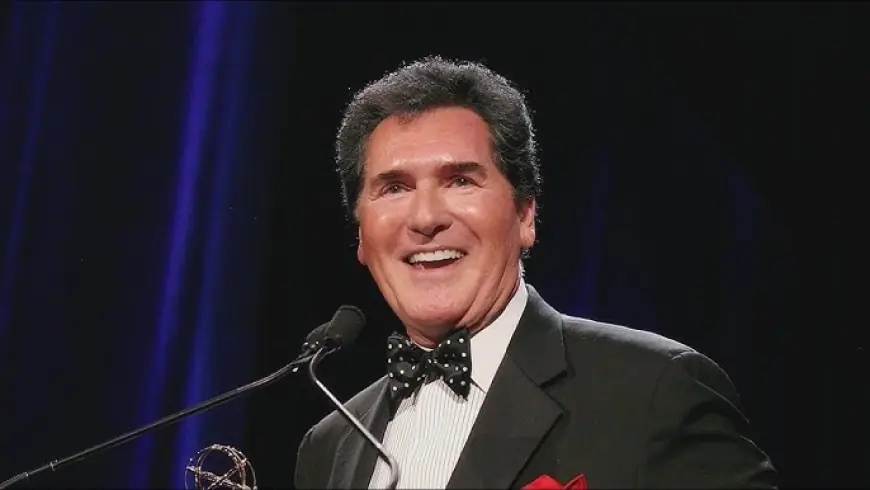
Ernie Anastos, one of the most recognizable television news anchors in New York history, died early Thursday morning, March 12, at Northern Westchester Hospital. He was 82.
The cause of death was pneumonia, his wife Kelly said as tributes began pouring in from across the city’s broadcast community. The confirmation answered the immediate question many viewers had after news of Anastos’ death spread Thursday: what happened to the longtime anchor who spent decades on the air at some of the city’s biggest stations?
For many New Yorkers, Anastos was a constant presence through some of the region’s biggest stories, delivering the news with a smooth, steady style that made him one of local television’s defining figures.
Pneumonia Was Identified as the Cause of Death
Anastos’ wife said he died of pneumonia early Thursday at Northern Westchester Hospital. The disclosure came as former colleagues and local outlets confirmed the death and began looking back on a career that stretched across multiple generations of New York television.
The fact that the cause was identified so quickly gave the story a clearer shape than many breaking celebrity or media deaths. There was no prolonged public mystery around the circumstances. Instead, the early focus shifted almost immediately to his legacy and to the role he played in the city’s media life for decades.
That legacy is considerable. Anastos worked at WABC, WCBS, WNYW and Channel 9, becoming one of the rare anchors to build a major presence across several flagship stations in the same market.
A Familiar Face Across New York Television
Anastos became a fixture in New York broadcasting beginning in the late 1970s and remained visible for decades afterward. He spent 11 years at WABC, later anchored at WCBS, and finished his high-profile local television run at Fox 5.
His career covered some of the most significant moments in modern city history, including the September 11 attacks and the COVID-19 era. He was also known for his polished delivery, upbeat demeanor and broad name recognition well beyond hard-news audiences.
That long run made him more than just another local anchor. In a city with one of the country’s most competitive media environments, Anastos became a durable brand in his own right.
Awards and Recognition Followed a Long Career
Over the course of his broadcasting career, Anastos earned more than 30 Emmy Awards and nominations, along with a Lifetime Emmy that reflected both his longevity and his standing in the business.
He also built a public image that extended beyond the anchor desk. In later years, he developed Positively Ernie, a program and media brand that reflected the optimistic tone colleagues often associated with him. The title fit the persona many in local television described after his death: energetic, warm and deeply committed to the work.
That reputation helped explain the immediate wave of tributes from fellow broadcasters who remembered him not just as a polished anchor, but as a mentor and enduring presence in the industry.
Why Ernie Anastos Still Mattered to Viewers
The reaction to Anastos’ death underscored something that is increasingly rare in fragmented media: truly local celebrity rooted in trust and routine. For years, viewers welcomed him into their homes at the same hour each night, often during moments of crisis, uncertainty or civic importance.
That kind of relationship is different from fame built on entertainment or social media. It is quieter, but often more durable. Anchors like Anastos became part of the rhythm of city life, and their deaths resonate not only because of what they accomplished, but because of how familiar they felt.
In New York, where television news has long carried unusual cultural weight, Anastos belonged to a generation of anchors whose names alone could signal authority and continuity.
What His Death Leaves Behind
With Anastos’ death, New York loses one of the last major on-air links to an earlier era of local television dominance. His career bridged the years when city anchors were not just journalists, but civic fixtures, known across boroughs and generations.
The immediate public question — Ernie Anastos’ cause of death — now has a clear answer: pneumonia. But the larger story is the one that followed that confirmation. His death closes the chapter on a broadcasting career that helped define local news in America’s biggest media market.
For viewers who grew up watching him, that is likely to be the lasting takeaway. Ernie Anastos was not only a longtime anchor. He was one of the voices and faces that helped New York understand itself, night after night, for decades.