Shantanu Narayen signals Adobe CEO transition, pointing to a deliberate succession process

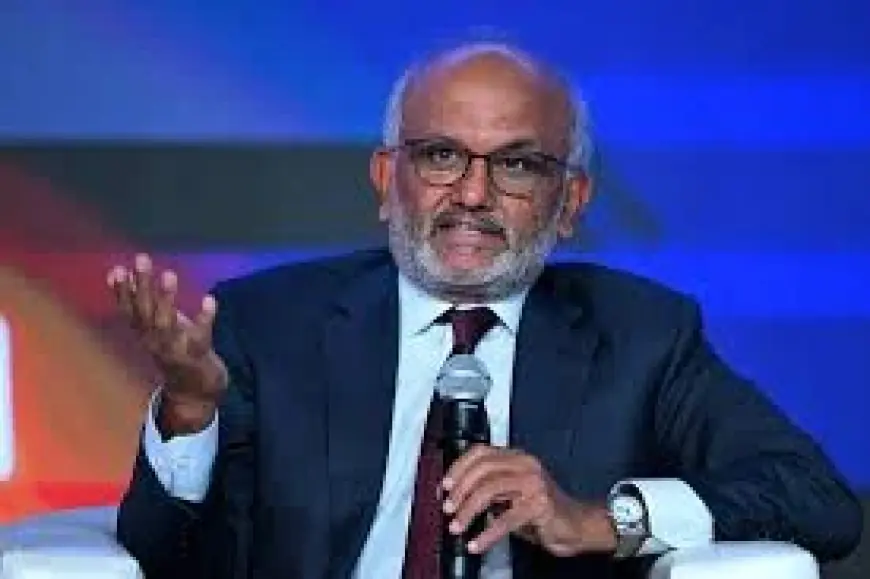
shantanu narayen will transition from his role as CEO of Adobe after a successor has been appointed, in an announcement dated March 12, 2026. The decision sets up a defined handoff process, with Adobe’s board organizing a special committee to run succession planning while Narayen remains CEO and continues as Chair of the Board.
Adobe and Shantanu Narayen set a CEO transition tied to a successor appointment
Adobe said on March 12, 2026 that Shantanu Narayen, who has served as CEO for eighteen years, has decided to transition from the CEO position after the company appoints his successor. The company framed the move as a transition plan rather than a fixed-date departure, anchoring the timing to the completion of the successor selection process.
Narayen is expected to remain involved at the top of the company after stepping down as CEO. Adobe said he will remain as Chair of the Board, while also continuing to serve as CEO during the interim period to support continuity until a successor is chosen.
Frank Calderoni and Adobe’s board committee take charge of internal and external candidates
To run the succession process, Adobe’s Board of Directors appointed Frank Calderoni, the Lead Independent Director, as Chair of a special committee. Adobe said the committee will direct the process that will consider both internal and external candidates, signaling that the search is not restricted to the current leadership bench.
Calderoni’s statement emphasized both recognition and selection criteria: he credited Narayen’s contributions as CEO and referenced his role in what he described as Adobe’s transformation over the past 18 years, while also pointing to the company’s positioning for what he called the AI-driven era. At the same time, Calderoni said the board is focused on selecting “the right leader” for the company’s next chapter of growth, and described continued leadership by Narayen as CEO as a way to ensure a smooth transition.
What the succession structure at Adobe suggests about the near-term trajectory
The arrangement Adobe described sets out a clear division of responsibilities: Narayen remains CEO and Chair of the Board, while a board-led special committee chaired by Calderoni directs the succession process. The explicit inclusion of both internal and external candidates suggests a process designed to widen the option set before the company finalizes leadership, rather than pre-committing to an internal successor.
Still, the context signals a measured pace because the transition is contingent on an appointment, not a calendar deadline. That structure can reduce disruption by keeping Narayen in place through the selection period, while the board evaluates candidates under a dedicated committee process rather than an informal search.
If the current structure continues… Adobe’s next key shift would be the moment a successor is appointed, because the company tied Narayen’s transition as CEO directly to that outcome. Under that condition, Narayen would move out of the CEO role while remaining Chair of the Board, preserving an ongoing governance role after the handoff.
Should the candidate search broaden materially… the committee’s mandate to consider both internal and external candidates could keep the leadership timeline dependent on how quickly the special committee can identify and align on “the right leader” described in Calderoni’s statement. The context does not specify criteria, a timetable, or the size of the candidate pool, so the duration and shape of the search cannot be inferred from what has been provided.
The next confirmed milestone in the process is the appointment of a successor, because Adobe’s announcement makes that the triggering event for the CEO transition. What the context does not resolve is when that appointment will occur, or which candidates the special committee will consider as it runs a process spanning internal and external options.