




















Davos Faces Challenges: Is Trump the Simpler Issue?


The annual World Economic Forum in Davos has always struggled with perceptions of elitism. Attendees arrive in private jets, enjoying luxury while discussing significant global issues like poverty and climate change. This year’s summit, set for 2026, promises to confront urgent challenges, including the polarizing presence of former President Donald Trump and the complexities of the ongoing K-shaped economy.
Davos 2026: Key Challenges Ahead
Davos 2026 will serve as a critical platform to address two interrelated threats facing the global economy. The first is the controversial figure of Donald Trump, known for his trade policies that have raised tensions. The second threat is the K-shaped economic recovery, a term coined by economist Peter Atwater.
The K-Shaped Economy Explained
The K-shaped economy highlights the growing divide between the wealthy and the economically disadvantaged, which began during the pandemic in 2020. While the COVID-19 crisis impacted everyone, the recovery has not been uniform. Wealth has accumulated at the top, while many are left behind.
- The stock market is nearing record highs despite volatility.
- Luxury travel remains strong, contrasting with a decrease in vacationing Americans.
- A housing affordability crisis persists, with rising home values benefiting a select few.
Rising Disparities and Economic Tensions
The stark contrast between the affluent attendees at Davos and the struggles of everyday people is more pronounced than ever. As Atwater pointed out, the wealthy are often unaware of the growing disparities that surround them. He noted that despite their intellectual understanding, many fail to grasp the depth of the issue.
Larry Fink, CEO of BlackRock, acknowledged this dilemma in his opening remarks. He remarked that many affected by the discussions at Davos may never attend the forum. This disconnect represents a central tension that has long characterized the event.
Lessons from the Past
Critics have frequently pointed out Davos’s history of misreading global dynamics. Events such as Brexit and the rise of populism caught the summit off guard. As socio-economic challenges escalate, the need for meaningful engagement becomes increasingly critical.
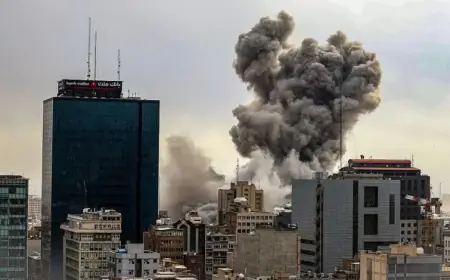
Recent unrest in countries like Iran illustrates the potential consequences of extreme wealth inequality. Economic mismanagement has resulted in mass protests fueled by frustration over corruption and the erosion of middle-class wealth.
Warning Signs for Davos Attendees
As global leaders prepare for Davos 2026, they must heed the lessons of the past. The consequences of wealth concentration cannot be ignored. Atwater warns that the growing vulnerability among the impoverished could trigger significant social change if left unaddressed.
To navigate these complex issues, Davos attendees must move beyond superficial discussions. A genuine commitment to understanding and addressing the widening economic chasm is essential for fostering stability in the future.