Iranian Regime Maintains Control Despite Ongoing Strikes

U.S. intelligence agencies have reported that the Iranian regime maintains control despite ongoing military strikes that have spanned nearly two weeks. These strikes have resulted in the deaths of several high-ranking officials and commanders. Sources familiar with these intelligence reports indicate that the clerical government remains unified and authoritative across the nation.
Key Developments in Iran’s Political Landscape
The military operation, which commenced with the killing of Supreme Leader Ayatollah Ali Khamenei on February 28, has not destabilized the regime. This assessment has been backed by a multitude of intelligence reports suggesting the regime is not at risk of collapse and continues to hold sway over the Iranian populace.
Recent Intelligence Findings
- Intelligence reports affirm the regime’s cohesion.
- Despite the upheaval, the Iranian government retains public support.
- Latest evaluations were finalized in the days leading up to the report.
Impact of Ongoing Strikes
In a series of tactical moves, U.S. and Israeli forces have concentrated on critical targets. These include:
- Iran’s air defense systems
- Nuclear infrastructure
- High-ranking officials within the Islamic Revolutionary Guard Corps (IRGC)
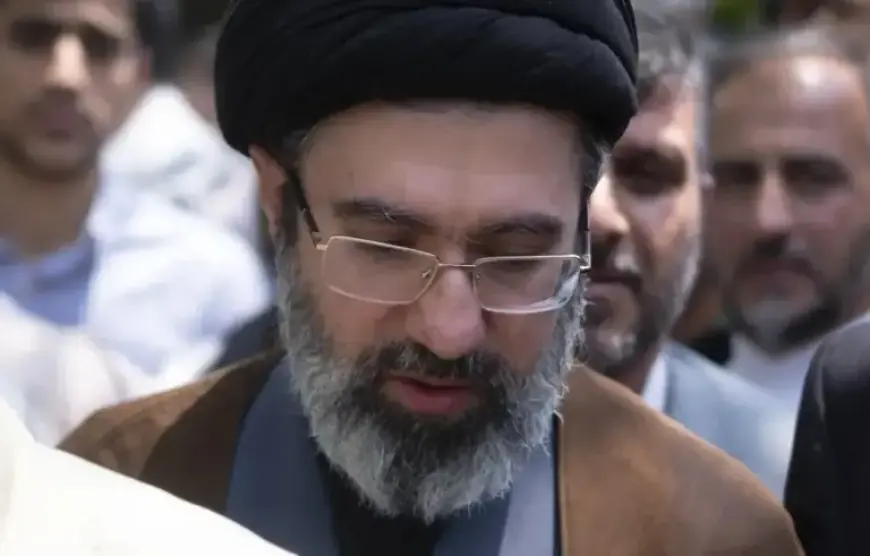
These operations have led to the elimination of numerous senior leaders. Among them, the Iranian Assembly of Experts, a significant body of senior clerics, has appointed Mojtaba Khamenei, the son of the deceased leader, as the new supreme leader.
Political Climate and Future Outlook
As political pressure mounts on President Donald Trump to conclude the extensive military operations, concerns about escalating oil prices and clarity regarding the war’s goals intensify. Although the Iranian regime appears stable at present, sources warn that the situation remains fluid and susceptible to change.