Australian Open: Hugo Gaston retires early against Jannik Sinner after distressing on-court setback

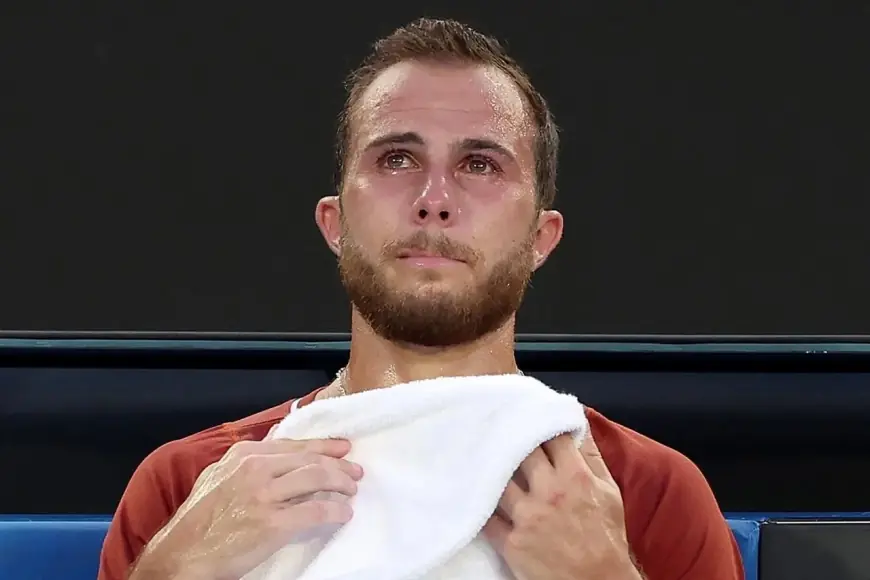
Hugo Gaston’s Australian Open ended abruptly on January 20, 2026, when he retired mid-match against two-time defending champion Jannik Sinner on Rod Laver Arena. The French left-hander was visibly emotional as he walked off, with the contest stopped after Sinner had surged two sets ahead. The moment shifted attention from the scoreboard to Gaston’s condition and what it could mean for his early-season schedule.
The match was trending one-way before the retirement, but the sudden ending left a deflated crowd and an immediate question: was this a minor issue, or the kind of problem that lingers into the next tournaments?
What happened in the Australian Open match involving Hugo Gaston
From the opening games, Sinner dictated play with depth off both wings and quick changes of pace, keeping Gaston pinned behind the baseline and under constant pressure. Gaston tried to disrupt rhythm with variation—short angles, touch shots, and changes of height—but he never looked fully comfortable physically or tactically as the match developed.
After dropping the first set 6-2, Gaston required on-court attention and appeared to take medication during the changeover. The second set followed a similar pattern, with Sinner accelerating through service holds and attacking whenever Gaston’s replies landed short. When Sinner moved ahead 6-2, 6-1 after 68 minutes, Gaston approached the net and ended the match, fighting back tears as he left the arena.
Because retirements can be triggered by anything from illness to a fall or a joint issue, the key detail here is what was visible: Gaston looked unwell, and the decision to stop came quickly once the deficit grew and his discomfort became harder to mask.
-
Gaston retired in the first round on January 20, 2026, after falling behind two sets on Rod Laver Arena.
-
The score at retirement was 6-2, 6-1 to Sinner, with 68 minutes played.
-
Gaston received on-court attention after the first set and appeared physically compromised.
-
Sinner advanced without needing a third set and will face Australia’s James Duckworth in round two.
-
Gaston’s next steps depend on medical clarity, especially with a busy February schedule typically looming.
Why the Hugo Gaston retirement matters beyond one match
For Sinner, the practical impact is obvious: a clean path into the second round while conserving energy. For Gaston, the concern is timing. Early-season rhythm matters for players hovering around the edge of direct entry, and losing match reps—especially at a major—can set back momentum and ranking stability.
Gaston’s game is built around feel: absorbing pace, changing direction, and using touch to drag opponents forward. When the body isn’t right, that style becomes much harder to execute, because it demands quick starts, low stances, and repeated bursts to the ball. Against an elite hitter like Sinner, any physical limitation gets exposed fast.
There’s also a psychological cost. Retiring at a Grand Slam is rarely just a tactical choice—it’s often a player admitting they can’t compete safely or effectively. The emotions on display suggested this wasn’t a routine decision, and it will be watched closely for updates on whether the issue is short-term or something that requires rest and rehab.
What Sinner’s start tells us about the Australian Open draw
Even with the match ending early, Sinner’s level looked sharp: he served his way out of early trouble, hit through the court, and mixed in his own drop shots to prevent Gaston from settling into patterns. The tone was clear—he is trying to set a high standard immediately as he chases a third straight Australian Open title.
The early retirement, though, also means Sinner gets less live pressure than he might have preferred in week one. Players often say they want time on court to sharpen timing, especially after an off-season. Still, the flip side is valuable: fewer minutes, less wear, and more room to build form over the next rounds.
In recent years, the Australian Open has seen several big matches altered by injury retirements—an unavoidable part of a long tennis calendar that starts fast after the offseason. The Melbourne heat, the intensity of best-of-five sets, and the pressure of playing on the biggest courts can all magnify small problems quickly, turning a niggle into a stop sign within a set or two.
Quick FAQ: Australian Open Hugo Gaston
Why did Hugo Gaston retire at the Australian Open?
He appeared physically compromised, received on-court attention, and chose to stop while down two sets; the precise medical reason may become clearer with official updates.
What was the score when Gaston retired?
Jannik Sinner led 6-2, 6-1 after 68 minutes when Gaston ended the match.
Who does Sinner play next?
Sinner is scheduled to face Australia’s James Duckworth in the second round.
The next signal to watch is simple: whether Gaston withdraws from upcoming events or resumes training quickly. If the issue is illness or a minor knock, he may be back within days; if it involves a joint or a fall-related injury, the recovery timeline can stretch. Either way, this first-round moment has already become one of the tournament’s most talked-about early scenes—less for the result than for the sudden, emotional ending.