

























Exploring the Untouched: Inside the World’s Uncontacted Tribes

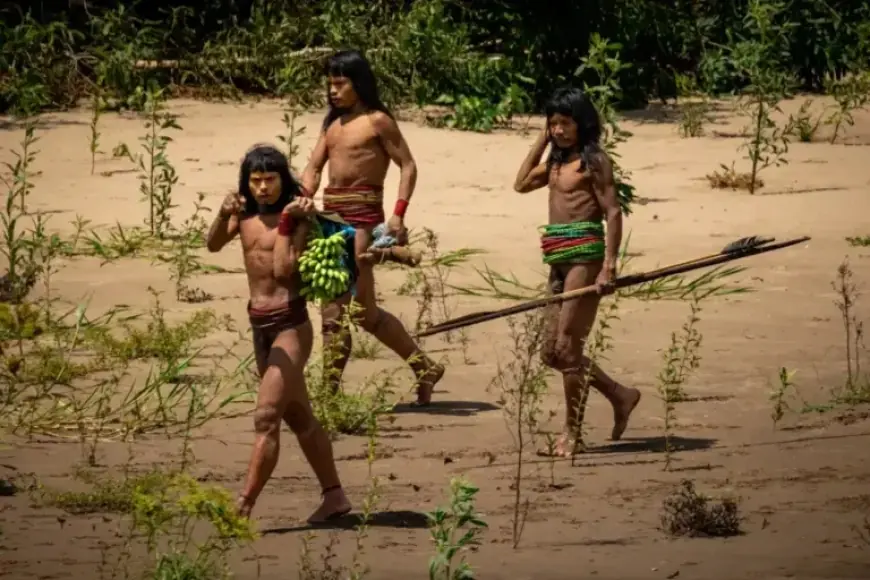
The existence of uncontacted tribes highlights a fascinating aspect of humanity’s diversity. Nestled in remote regions worldwide, these tribes have opted for isolation from modern civilization. They remain largely unknown, living self-sufficiently within their territories.
Uncontacted Tribes Around the World
These tribes have demonstrated a clear aversion to external contact. Fiona Watson, the research and advocacy director at Survival International, notes they utilize various signals to express their desire for solitude. For instance, they may leave crossed arrows along hunting trails or fire arrows at aircraft that approach their lands.
The Mashco Piro Tribe
Recently, conservationist Paul Rosolie shared unprecedented footage of the Mashco Piro tribe during an appearance on the Lex Fridman Podcast. Rosolie, who is also the author of “Junglekeeper: What it Takes to Change the World,” documented his first encounter with this Amazonian tribe. Members of the Mashco Piro approached him and his team, initially curious and even accepting gifts of bananas.
However, the encounter took a perilous turn when one team member was shot with an arrow shortly after the initial contact. The arrow pierced his scapula and emerged near his belly, inflicting severe injury but allowing for survival. This incident underscores the unpredictable nature of interactions with uncontacted peoples.
Characteristics of Uncontacted Tribes
Gathering data on the Mashco Piro benefited Rosolie’s team. They discovered that the tribe is nomadic, without permanent dwellings, relying on a diet primarily consisting of monkeys and turtles. Additionally, they do not boil water, which suggests a limited understanding of concepts like boiling or freezing, possibly due to their tropical environment.
Other Uncontacted Tribes
- Sentinelese: Located on North Sentinel Island, these people are regarded as one of the most isolated tribes globally. Attempts to engage with them have ended tragically, including the death of missionary John Chau in 2018.
- Kawahiva: This small tribe in northwest Brazil consists of approximately 50 individuals. They create temporary camps and use fishing baskets for sustenance.
- Moxihatetema: Large groups inhabit this tribe, living in a significant communal structure, evident from aerial photography related to mining operations.
- Ayoreo: Straddling Paraguay and Bolivia, this tribe has experienced tragic outcomes due to diseases introduced by missionaries in the late 20th century.
- Korowai: Known for their treehouses, these tribespeople maintain a level of peaceful interaction with the New Guinea government regarding health programs.
- Yaifo: Reports from the 1980s suggest this tribe may have practiced headhunting, showing a complex cultural history.
The Importance of Protection
For each of these tribes, land protection is crucial for their survival. Many face threats from mining operations, deforestation, and encroachment by modern society. Watson emphasizes that as long as their forest environments remain intact, these tribes can sustain themselves independently.
The conflicting interests of development and preservation place uncontacted tribes at a significant risk. Understanding their existence and respecting their wishes for isolation is vital for safeguarding their way of life.