

























Can Trump’s Strategies Successfully Lower Housing Costs?

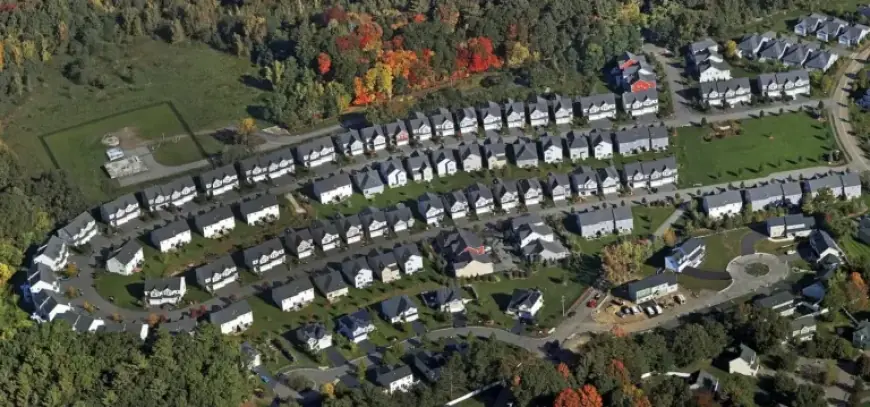
The housing crisis in the United States has prompted several proposals aimed at reducing costs for buyers. Recently, the Trump administration unveiled a range of strategies to tackle the rising burden of housing expenses, including longer mortgage terms and measures targeting corporate buyers of single-family homes. However, the question remains: can these strategies effectively lower housing costs?
Exploring Trump’s Housing Proposals
Among the most notable proposals is the introduction of a 50-year mortgage term, a concept recommended by Bill Pulte, the director of the Federal Housing Finance Agency (FHFA). The idea behind extending the term is to reduce monthly payments for homebuyers, theoretically making homeownership more accessible.
Potential Consequences of Longer Mortgages
While a longer mortgage term could lower monthly payments, financial experts are skeptical. Tom Callahan, executive director of the Partnership for Financial Equity, notes that a typical first-time homebuyer in the U.S. is around 40 years old. A 50-year loan could mean debt lasting into their 80s or 90s.
- A $500,000 home at 6.1% interest over 50 years would result in approximately $1.1 million in interest.
- In contrast, a 30-year loan for the same amount would see around $590,000 in interest payments.
- The average home in Greater Boston costs over $800,000, which could lead to nearly $2 million in interest over 50 years.
Critics argue that this approach may create “generational debt” instead of fostering “generational wealth.” Lower monthly payments, while appealing, could spur increased demand without addressing the critical shortage of housing supply.
Mechanisms to Lower Interest Rates
Furthermore, Trump directed government-sponsored entities Fannie Mae and Freddie Mac to invest $200 billion in mortgage bonds. This initiative aims to lower interest rates and enhance affordability. Following this move, the 30-year fixed mortgage rate dropped to 6.06% from a previous peak of 7.79% in October 2023.
However, experts warn that merely decreasing interest rates does not solve the underlying issue of affordability. Adam Guren, an economics professor at Boston University, states that boosting the supply of homes is crucial to truly lower housing costs.
The Importance of Addressing Housing Supply
Massachusetts alone needs to construct 222,000 new homes by 2035 to meet current demand. Without a significant increase in the housing supply, attempts to lower interest rates may only exacerbate the problem, potentially driving prices higher.
Banning Institutional Investors
In addition, Trump proposed a ban on institutional investors, such as Blackstone, from buying single-family homes. This proposal arises from concerns about large-scale investors reducing the availability of homes for purchase, as they often convert properties into rental units. While institutional investors own a mere 2% of single-family rentals nationwide, their impact is more pronounced in specific markets.
| City | Institutional Ownership (%) |
|---|---|
| Atlanta | 25% |
| Jacksonville, FL | 21% |
| Charlotte, NC | 18% |
While banning these investments could help in cities with high institutional ownership, it may also raise rental prices by reducing the rental supply. Guren suggests that more effective approaches would focus on resolving local zoning issues that limit housing development.
Conclusion
In summary, Trump’s strategies for reducing housing costs, including longer mortgage terms and investment bans, present potential short-term solutions. Yet, experts emphasize the necessity of addressing the structural supply issues in the housing market for any lasting impact. As the housing crisis continues, it becomes increasingly clear that comprehensive and sustainable solutions are needed to alleviate the financial burdens on homebuyers.