























Yosemite Staffing Cuts Lead to Uncontrolled Visitor Behavior

Yosemite National Park is facing significant challenges due to recent staffing cuts. These reductions have sparked concerns about visitor behavior and park management. The National Park Service, which oversees Yosemite, has seen a 25% decrease in permanent staff, leading to reduced supervision in the park.
Impact of Staffing Cuts on Visitor Behavior
In December, visitors entered Yosemite without the usual presence of rangers at the gates. This absence has resulted in concerning behavior among tourists, including littering and unsafe activities like cliff jumping. With fewer rangers, many park-goers lack guidance on preserving the natural beauty of the area.
Staffing Reductions Under the Trump Administration
- The Trump administration has implemented extensive changes within the National Park Service.
- Staffing levels have plummeted due to layoffs, buyouts, and retirements.
- The National Parks Conservation Association has reported these drastic cuts.
Current policies have shifted park fee structures and modified entry regulations. Notably, free entry days for Juneteenth and Martin Luther King Jr. Day were canceled, while admission was granted on the president’s birthday, which coincides with Flag Day. This administration’s changes have raised concerns regarding the park’s future management and visitor experience.
Visitor Awareness and Behavior Challenges
Despite these issues, Yosemite remains a top destination. Last year, visitor numbers surged, especially during October, benefiting businesses like guided tours. However, this influx has resulted in dangerous driving behaviors and unauthorized activities, such as BASE jumping.
Elisabeth Barton, a tour company co-owner, remarked on the struggles the park faces to accommodate increasing visitor numbers. She expressed concern about the long-term implications of insufficient staffing on park management and ecological preservation.
Yosemite’s Historical Significance
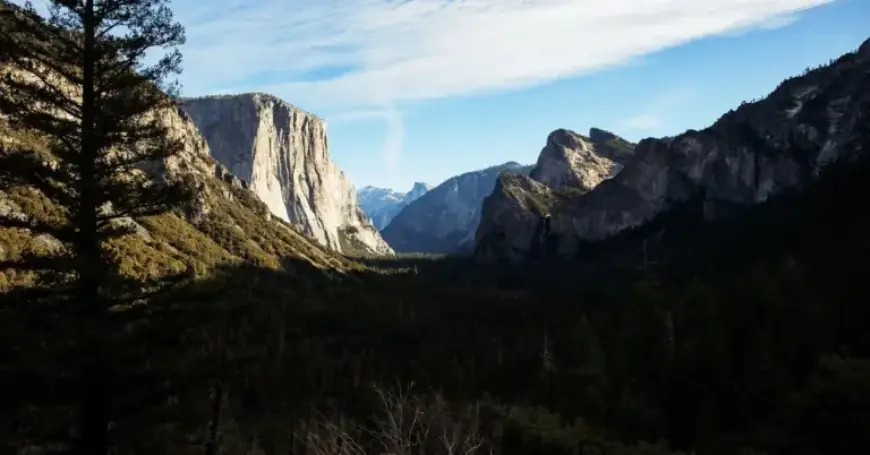
Established as a federally protected area by President Abraham Lincoln in 1864, Yosemite opened the door for future national parks. It became the third national park in the U.S. in 1890 and encompasses iconic sights such as Half Dome and El Capitan. Visitors continue to celebrate the park’s beauty, but the lack of ranger supervision has intensified issues related to park etiquette.
Environmental and Preservation Concerns
Long-time employees and environmentalists are worried about the effects of reduced staffing on conservation efforts. The loss of professionals who monitor endangered species and prevent wildfires poses risks to the park’s ecosystem. Former superintendent Don Neubacher emphasized the unique nature of Yosemite, highlighting the urgent need for sustainable management.
Conclusion
The current state of Yosemite National Park raises questions about its future stewardship. As visitor numbers climb, the apparent decline in ranger presence could lead to reckless behavior and environmental harm. It becomes crucial for both the National Park Service and the general public to foster responsible tourism to protect this national treasure.