Trump’s Greenland Trade Remarks Trigger Global Market Decline

Global markets experienced a significant decline on Tuesday, primarily due to President Donald Trump’s recent comments regarding U.S.-EU trade relations and ambitions for Greenland. The unrest began after Trump reiterated his threat to impose tariffs on seven EU nations and the United Kingdom unless they supported U.S. control over Greenland. This sparked fears of a renewed trade war with the European Union, America’s largest trading partner.
Market Reactions to Trump’s Greenland Trade Remarks
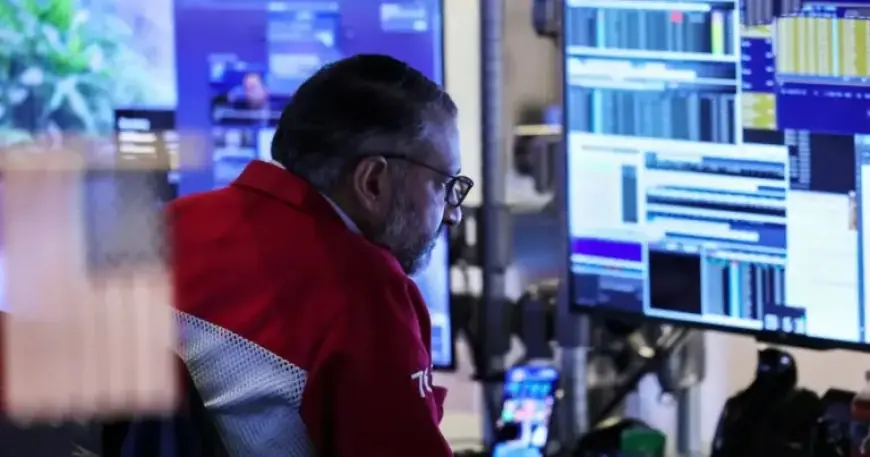
In early trading, the S&P 500 dropped by approximately 1.3%, while the Nasdaq Composite saw an even steeper decline of 1.7%. The Dow Jones Industrial Average fell by more than 600 points. It is noteworthy that U.S. markets were closed on Monday in observance of Martin Luther King Jr. Day, resulting in the S&P 500 erasing its gains for the year.
Increased Bond Yields and Interest Rates
Amidst these developments, U.S. government bonds were sold off, leading to increasing interest rates. Higher yields on U.S. Treasuries typically translate to elevated mortgage rates and higher interest on personal loans.
Global Market Sell-Off
The negative trend extended to European markets, which suffered sharp drops for the second consecutive day. Key indices showed the following decreases:
- Germany’s DAX Index: -1.2%
- Britain’s FTSE 100: -1%
- Italy’s FTSE MIB: -1.3%
- STOXX Europe 600: -1.1%
Investor Sentiments and Risks
The CBOE Volatility Index, known as Wall Street’s fear gauge, rose to its highest level since November due to ongoing uncertainties. In times of market turmoil, precious metals often gain appeal as safe-haven assets, leading to price increases of over 1% for both gold and silver. Additionally, the ICE U.S. Dollar Index decreased by nearly 1%, marking its worst trading day since April.
U.S. Bonds and Economic Outlook
The rise in Treasury yields reached levels not noted since August, compounding investor concerns. Political uncertainty was heightened following Japan’s Prime Minister’s call for snap elections, alongside speculation about potential Supreme Court rulings regarding the legality of Trump’s proposed tariffs.
Emergency Response from EU
European officials are planning an emergency summit to discuss potential retaliation against Trump’s proposed tariffs. It is reported that they have prepared over $100 billion in counter-tariffs, aiming to counteract any U.S. trade threats.
Investor Perspectives on Trade Policies
Krishna Guha, an analyst from Evercore ISI, emphasized the risks associated with the current trade climate. He remarked that the ongoing situation resembles a “sell America” scenario, echoing sentiments from previous trade policy decisions made by Trump. His comments reflected a broader concern about future volatility and potential implications for the dollar.
Scott Chronert from Citigroup noted the rapid evolution of impacts on U.S. equity markets early in the year. In contrast, UBS’s CEO Sergio Ermotti expressed skepticism about returning to a stable economic environment under the current conditions.
Administration’s Defensive Stance
Amid the turmoil, Treasury Secretary Scott Bessent defended the administration’s actions, urging critics to remain calm. He asserted that the U.S. remains a reliable trade partner and urged for patience as Trump’s strategy unfolds.
Overall, Trump’s remarks on Greenland and impending tariffs have triggered significant market reactions both domestically and internationally, raising concerns about future trade relations.