






















Monfils' Desert Revival Changes the Indian Wells Draw — Who Feels the Shift First?

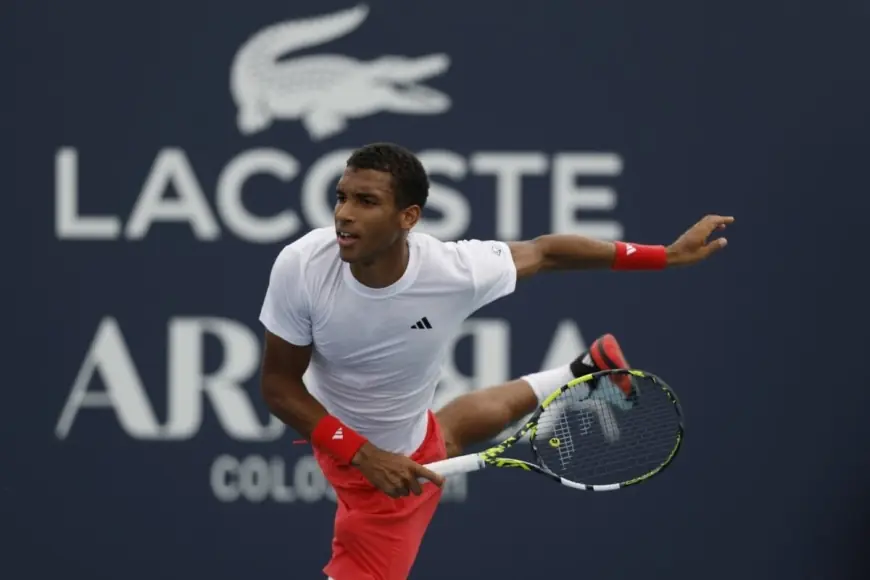
Here’s the part that matters: monfils advancing past Alexis Galarneau does more than extend a veteran’s stay — it forces recalculation across a section of the Indian Wells bracket and hands his next opponent a different tactical problem. The win preserves Monfils’ momentum into a marquee meeting with Felix Auger-Aliassime, and it immediately affects seeding dynamics, crowd interest, and the narrative heading into that clash.
Monfils' victory: who is affected and how the draw bends
Monfils’ progress shifts short-term expectations for opponents and bettors, and it amplifies pressure on the upcoming matchup that already carried narrative weight. The most direct impact is on Felix Auger-Aliassime: a match that promised to pit current form against flair now carries an added layer of showmanship and match rhythm for Monfils. Tournament organizers and fans also feel the effect—an advancing veteran with a signature style increases the spotlight on that portion of the schedule and raises ticket and broadcast interest for the next session.
The real question now is how Monfils’ mix of defense and sudden aggression will intersect with Auger-Aliassime’s fast-court strengths and recent form; pre-match analysis has the Canadian as the favorite and notes a 1-1 head-to-head between the two. Monfils entered this match not fully settled: recent results had shown inconsistency, but the win here resets immediate expectations.
Match details and immediate signals from Indian Wells
Monfils advanced in straight sets, converting a slow start into a clear victory. After falling 0-2 early, he swung the momentum, taking the opening set and then closing out the second. The match featured one of his trademark moments—a jumping smash that electrified the stadium—and finished in 1 hour and 23 minutes. This result sets up the high-profile second-round pairing with Auger-Aliassime, a matchup that had been circled already and now arrives with renewed stakes.
- Scoreline from the opening match: 6-3, 6-4 (Monfils over Galarneau).
- Match length reported as 1 hour and 23 minutes.
- Notable highlight: a signature jumping smash that energized the crowd.
- Context note: this victory came two decades after Monfils first played at Indian Wells, marking a long-running connection to the event.
What’s easy to miss is that the win did more than simply add one round — it reclaimed a narrative thread for Monfils at the tournament after mixed results earlier in recent months.
Micro Q& A
- Q: Who does this affect most immediately? A: Monfils’ next opponent, Felix Auger-Aliassime, and the players in that quarter of the draw who now face a match with a veteran who has regained momentum.
- Q: How do their recent forms compare? A: Monfils had shown inconsistency leading into the event but won this opening match in straight sets; Auger-Aliassime has been described as being in solid form and is generally favored heading into their meeting, with the head-to-head at 1-1.
- Q: Which signals would confirm a turning point for Monfils here? A: Reproducing long rallies that force errors, and converting key moments against higher-ranked opponents would suggest the win is a momentum-shift rather than an isolated performance.
Expectations should be framed cautiously: Monfils’ stylistic strengths—defensive coverage and sudden offensive bursts—can unsettle an opponent on a given day, but past results had shown variability. The upcoming meeting with Auger-Aliassime now reads as both a tactical test and a narrative crossroads for a veteran reasserting himself in the desert.
The bigger signal here is the way a single energetic performance can reorient a draw section at a Masters-level event: an advancing entertainer like Monfils changes opponent preparation and spectator focus in equal measure.
Schedule note: this result advances Monfils into the second round at Indian Wells and sets the stage for the Monfils–Auger-Aliassime matchup; the tournament schedule remains subject to change.