























Who Feels the Shake: How The Dinosaurs Netflix Rewrites Nature TV for Casual Viewers and Serious Fans

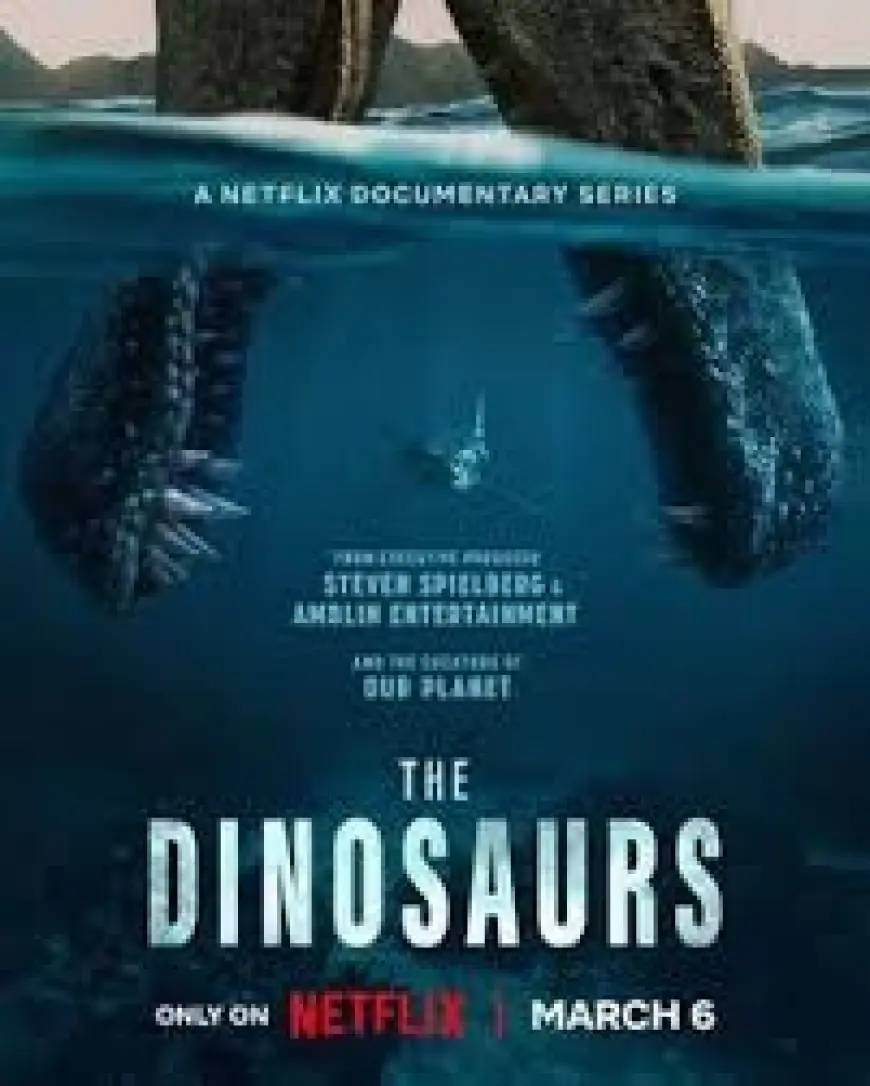
Audiences who pick up a nature show for comfort will notice the shift first: The Dinosaurs Netflix lands as both a visual blockbuster and a slow-burn mood piece, where narration and effects compete to dictate how viewers feel. For families, teachers, and documentary fans, the series changes expectations about tone and pacing — and the dinosaurs netflix will likely be cited as an example of documentaries leaning into cinematic spectacle over conventional observational storytelling.
The Dinosaurs Netflix: immediate effects on viewing habits and expectations
Here's the part that matters: the series pairs high-end visual effects with a distinctive narrational voice, and that pairing reshapes what audiences expect from a prehistoric story. Morgan Freeman’s narration is described as a dominant texture — soothing enough that critics suggest it could be used as a relaxation aid — while the visual work aims for blockbuster-level realism. That combination nudges casual viewers toward a more cinematic consumption model (watch for comfort listening and shared family viewing) and pushes educators and natural-history enthusiasts to reassess how factual detail is balanced with drama.
- Frequent viewers may treat episodes as ambient listening as much as visual spectacle.
- Classroom use will depend on how producers present evolutionary sequences alongside dramatic reconstructions.
- Fans of creature-driven storytelling will recognize familiar genre beats repurposed with bigger budgets.
What’s easy to miss is how much the voiceover becomes the show’s emotional anchor; that tonal choice colors the perceived scientific seriousness even when the on-screen creatures are presented with painstaking visual detail.
Event details and creative footprint (embedded)
The Dinosaurs is a four-episode documentary series presented as a large-scale retelling of prehistoric life. The production brings together an acclaimed filmmaker in a leadership role, a high-profile narrator, and a visual-effects team known for cinematic work. The creative credits in the context include a team of showrunners and a director who guided the episodes, plus a composer responsible for the score. A noted visual-effects studio supplied the creature and environment work. Production collaborators on the project include established documentary producers and a well-known production label.
On screen, the series moves through long arcs of evolutionary change: it opens on the supercontinent Pangea and follows shifts that favor new groups, showing early animals like marasuchus evolving into later dinosaur forms. The narrative emphasizes cycles of domination and replacement — small, nimble ancestors becoming giants in a matter of millions of years — and it does not shy from dramatic moments such as territorial battles and large predators interrupting other species’ contests.
The creature roster given in the series material ranges from small early archosaurs through famous megafauna; included are several long-recognized dinosaur and marine reptile names that underline the series’ broad taxonomic sweep. Episode structure compresses evolutionary spans into scenes that emphasize survival, competition, and climatic upheaval — floods, droughts and ice — as recurring forces that reshape life repeatedly over deep time.
Scenes called out in criticism highlight storytelling choices familiar to animal programming: territorial challenges, parenting behavior, and abrupt predation set pieces. In tone, the narration and soundtrack are set to guide emotional response as much as to explain processes; that balance will determine how viewers use the show, from active learning to passive relaxation.
Key takeaways:
- The series blends cinematic VFX and a distinctive narrator to create a hybrid tone that’s part blockbuster, part natural-history program.
- Educational use hinges on whether dramatic reconstruction is presented alongside clear evolutionary timelines.
- Viewer experience may split: some will treat it as immersive storytelling, others as a soothing audio-visual backdrop.
- Production scale signals continued appetite for high-budget documentary projects that cross entertainment and science boundaries.
The real question now is how audiences and institutions categorize this work: a popular drama about prehistory, a factual series, or something in-between. If broadcasters and educators pick it up for different purposes, that will confirm whether the format is flexible or simply ornamental.
Micro timeline (contextual):
- Series presents life beginning on Pangea and tracks major evolutionary shifts.
- Small early creatures are shown evolving into larger dinosaurs over compressed timescales.
- Episodes end by emphasizing repeated climatic upheavals as a driving force in species turnover.
Expect schedule and availability notes to be subject to change. Image and promotional choices will likely continue to emphasize both narrative spectacle and the narrator’s tonal presence.