
























UK Forestry Investors Eye Purchase of Tasmania’s Largest Farm

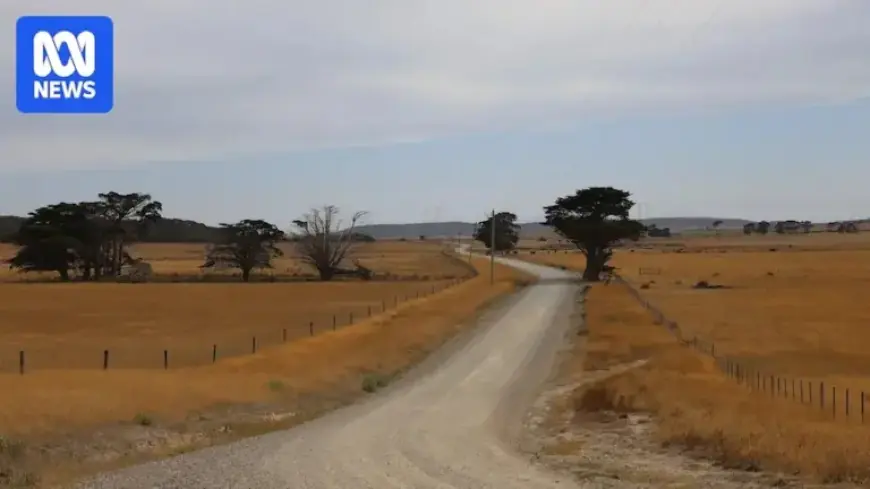
The Foreign Investment Review Board (FIRB) is set to make a pivotal decision on the potential sale of Tasmania’s largest farm, Rushy Lagoon. The 22,000-hectare property, located in the northeast of Tasmania, is owned by the Pye family and is currently under consideration for purchase by British investment firm Gresham House. The deal, anticipated to exceed $100 million, has raised concerns among local landowners regarding its implications for agricultural land use.
Concerns Over Agricultural Land Conversion
Nearby landowners express worries about the possible conversion of Rushy Lagoon into pine plantations. St Helens beef farmer John Tucker, a former Member of Parliament, voiced his opposition by stating, “You can’t eat pine trees.” He references the property’s historical efficiency, noting it once supported 55,000 sheep and 8,500 cows. Tucker argues that Rushy Lagoon holds greater value for livestock farming than tree planting.
- Property: Rushy Lagoon
- Owner: Pye family
- Size: 22,000 hectares
- Location: Northeast Tasmania
- Previous livestock: 55,000 sheep, 8,500 cows
Community Perspectives
Concerns are echoed by Dorset Council Mayor Rhys Beattie, who points out the risks involved in converting large-scale agricultural land into forestry, particularly regarding food security. Farmers fear diminished local employment and economic activity should livestock operations decrease significantly. Ian Sauer, president of TasFarmers, emphasizes the interconnectedness of local agriculture and community well-being.
Gresham House and Its Forestry Interests
Gresham House, the UK’s largest forestry asset manager, is keen on expanding its portfolio, which currently includes nearly $7 billion in forestry and natural capital assets. Their strategic plans involve tapping into Australia’s Nature Repair Market, acquiring biodiversity credits, and generating revenue from timber production.
Rushy Lagoon’s Investment History
Rushy Lagoon has long attracted significant investor interest due to its agricultural potential. Notable historical figures associated with the property include:
- Bert Farquhar: Purchased for $10 million in 1986.
- Allan Pye: Acquired the property at auction for $8.6 million in 1996.
- Previous listing: Offered for $70 million in 2017, later withdrawn.
Renewable Energy and Future Developments
The property is also slated for a massive wind farm development by ACEN Australia, featuring 210 turbines across both Rushy Lagoon and the neighboring Waterhouse area. The project garnered state significance in 2022, allowing for evaluation by a planning commission panel rather than local councils, illustrating the rising value and investment potential of Tasmania’s farmland.
Conclusion
As FIRB prepares to rule on this significant sale, the future of Rushy Lagoon remains uncertain. Local communities are hopeful for a decision that supports agricultural use and protects the economic vibrancy of the region, all while navigating the growing interests in sustainable investments and renewable energy developments.