
























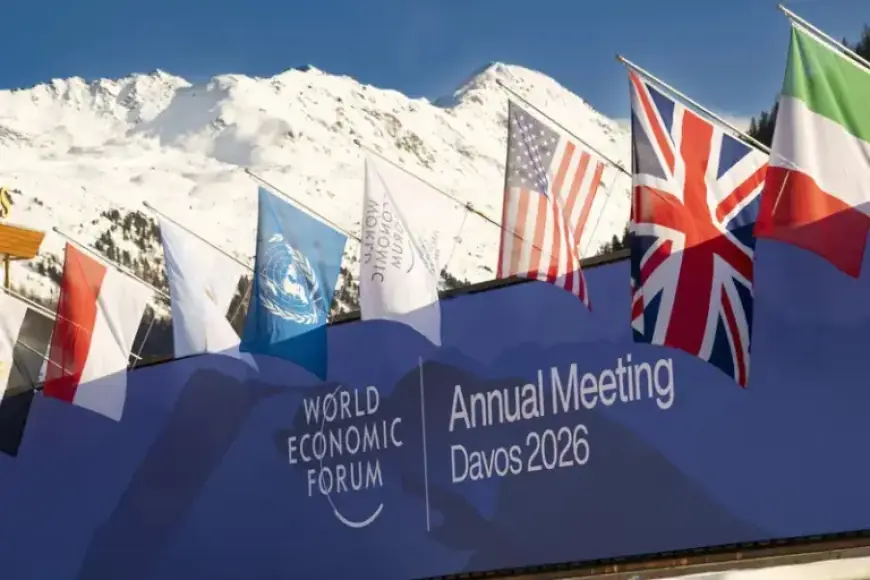
Davos 2026 Day 2: Key Insights and Highlights

Energy security has evolved into a strategic imperative that warrants comprehensive discussion. During a pivotal session at Davos 2026, titled “Who is winning on energy security?”, experts explored the current state and future prospects of global energy stability.
Key Insights on Energy Security
Fatih Birol, the Executive Director of the International Energy Agency (IEA), outlined three fundamental principles essential for maintaining energy security:
- Diversification: Avoid dependency on a single energy source.
- Predictability: Ensure stable investment conditions.
- Cooperation: Form strong partnerships with reliable allies.
Birol expressed that “we are entering the age of electricity,” driven by demands from sectors like data centers, electric vehicles, and air conditioning. He emphasized the importance of meeting this demand through a combination of renewable energy, natural gas, and nuclear power.
Sectoral Perspectives
Mike Henry, CEO of BHP, highlighted that electrifying the iron ore industry would require a drastic increase in energy consumption—up to five times the current usage. This illustrates the broad implications of energy requirements across various sectors. Andrés Gluski, CEO of AES, countered the notion of a zero-sum game in energy security. He argued that enhancing energy security in one region can liberate resources for others, fostering a cooperative approach.
Gluski pointed out that while artificial intelligence (AI) contributes to energy challenges, it can also serve as a solution by boosting productivity in developing countries. Although the rollout of small modular reactors will take time, there is an urgency to consider long-term resources and manufacturing capabilities.
Geopolitical Dynamics
Meghan O’Sullivan, Director at the Belfer Center for Science and International Affairs at Harvard University, analyzed China’s changing energy strategy. She stated that producer countries now command more agency, leading to heightened competition for resources. She elaborated that AI demands unprecedented energy, which necessitates a new form of diversification that is rooted in energy itself.
In the Middle Eastern context, the region’s rich energy resources, capital, and agile policymakers position it well to integrate energy advancements with AI developments. Jafar emphasized the need for resilience that stems from responsible, non-ideological investments.
U.S. Energy Strategy and Global Implications
O’Sullivan also critiqued the shifts in U.S. energy strategies under different administrations. She observed that while the first Trump administration linked energy with trade deals, the second administration adopted a more aggressive stance against renewable sources. This shift could potentially stifle rather than stimulate investment.
Moderated by Sir Robin Niblett from Chatham House, the session highlighted important research, such as the “From Minerals to Megawatts (2025)” report, which underscores how essential infrastructure and resource management increasingly define what secure energy means in today’s landscape.
For further insights, additional resources and discussions from Davos 2026 can be explored on Filmogaz.com.