























CD Projekt Targets Cyberpunk 2077 VR Mod with DMCA Notice

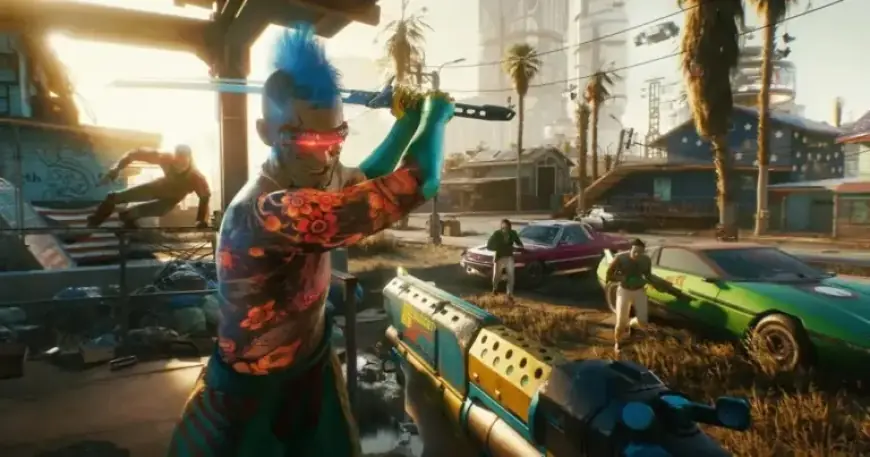
CD Projekt Red has recently issued a DMCA takedown notice against modder LukeRoss for his VR adaptation of Cyberpunk 2077. This legal action highlights the ongoing tension between game developers and the modding community.
Background of the Incident
LukeRoss revealed the situation through a post on his Patreon account, describing an “ongoing legal exchange” that culminated in the takedown notice. He criticized the company’s approach to modding, emphasizing the disparity between corporate motivations and the altruistic nature of modders.
LukeRoss’s Comments
In his statement, LukeRoss remarked on the irony of corporate logic, arguing that while companies profit from their intellectual properties, modders operate on goodwill. He expressed concern over how CD Projekt interprets “derivative work,” claiming his R.E.A.L. VR mod framework does not infringe upon the company’s creations.
Impact of the VR Mod
The R.E.A.L. VR mod framework supports a variety of games, including notable titles such as:
- Elden Ring
- Far Cry
- Marvel’s Spider-Man
- Grand Theft Auto V
- Red Dead Redemption 2
- Mafia Trilogy
In previous years, several of these mods were taken down following similar DMCA notices from Take-Two Interactive.
CD Projekt’s Position
Jan Rosner, Vice President of Business Development at CD Projekt, confirmed the DMCA action. He stated that the mod’s release as a paid product violated the company’s Fan Content Guidelines.
Guidelines on Modding
CD Projekt promotes a culture of modding among its community, appreciating the creativity involved. However, Rosner stressed that monetizing their intellectual property requires prior permission.
Future of the Mod
Rosner suggested two alternatives to LukeRoss: make the mod available for free with an option for donations or remove it entirely. He expressed a willingness to welcome a free version back into the community.
LukeRoss’s Response
In his rebuttal, LukeRoss maintained that the software does not fit the classification of “derivative work” or “fan content.” He asserted that his mod supports numerous games using different engines and does not contain any of CD Projekt’s code or assets.
Conclusion
This incident emphasizes the complexities in the relationship between gaming companies and mod developers. The ongoing dialogue around modding will continue to shape the future of player engagement and creativity in the gaming industry.