

























The Cost of Refusing an Arranged Marriage

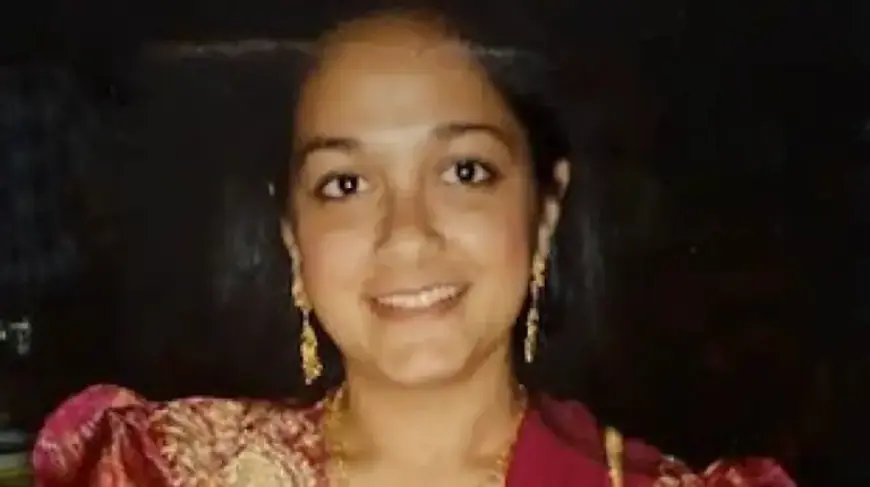
The narrative of arranged marriages often reflects a deep cultural divide, particularly when individuals choose to resist these traditions. One woman’s story highlights the emotional and psychological costs of refusing an arranged marriage, which brings into focus the themes of family expectations, personal freedom, and the consequences of choice.
The Journey Begins
At 19, the author left her home in India, armed with a single suitcase and a marriage contract waiting for her. Her family believed she was pursuing education in the United States, but her true intention was to escape a pre-scripted life. The man chosen for her was her childhood crush, from a prominent Sikh family in Mumbai. Initially, he captivated her youthful imagination, but that perception changed as she matured.
By the time her parents made the marriage proposal, she recognized that the life presented to her was not what she desired. This revelation came as she observed a growing double standard in their expectations. While he was encouraged to explore relationships, she was confined by the restrictive societal norms of preserving her virtue.
Escape and Isolation
Encouraged by her parents, she embarked on a journey to the U.S., where her fiancé was attending Harvard Business School. Their plan was for her to study while he took care of her, leading to their eventual marriage. Two years was the timeline etched into her immigrant visa, a deadline that loomed ominously.
Two months into her graduate school experience, her fiancé proposed lavishly. However, when she realized the proposal did not align with her true desires, she left Boston and faced the disenchantment of returning to a life she sought to escape.
The Price of Choice
Back in California, her life became marked by solitude and societal estrangement. With each missed family gathering, she felt increasingly disconnected from her roots. Comments from relatives called her integrity into question, branding her as a dishonor to her family. This emotional exile brought profound loneliness, although she couldn’t dismiss the resolve that led her there.
New Beginnings
Amidst the turmoil, she met Gerrit, a fellow student, whose kindness stood in stark contrast to the controlling dynamics of her past. Their relationship developed gradually, providing her a semblance of normalcy and emotional support. However, the challenges of maintaining residency in the U.S. weighed heavily on her. Job hunting during a recession added to her struggles, leading to empty promises from employers about sponsorship for her work permit.
- Years of hard work led her to eventual support from a new employer.
- Securing a work permit shifted her status from a precarious immigrant to a resident.
- She married Gerrit, reinforcing her journey towards a life of her choosing.
The Cost of Refusing an Arranged Marriage
As she built a new life, the emotional toll of her decision remained palpable. Estrangement from her parents and the broader family circle continued for a decade. However, after starting her own family, her parents finally visited, realizing her commitment to her marriage.
The reconciliation, though cautious, gave her hope for healing. Tragically, her parents passed away soon after, severing the fragile bridge they had begun to rebuild. Now, she traverses the spaces between her cultural identity, feeling both at home and like a stranger in India.
Reflections on Freedom and Loss
While her life in the U.S. presents an image of success—complete with career, marriage, and children—the emotional ledger of her past remains unbalanced. She acknowledges the grief incurred by her choices, the expectations laid upon her, and the solitude faced in family and cultural disconnection.
Through her experience, she emphasizes the possibility of loving one’s family while still refusing the roles they impose. The journey from a life dictated by tradition to one forged by personal choice taught her the complexities of freedom and the inevitable costs that accompany it.
Ultimately, her story is a testament to resilience. She chose a different path, one that was both fraught with loss and rich in newfound love and determination. The life she rebuilt may not have the glamour of her initial prospects but reflects a profound personal victory. As she continues navigating the intersections of her identity, she carries both love and loss in her heart.