

























Leveraging Attribution Science to Enhance Grid Resilience

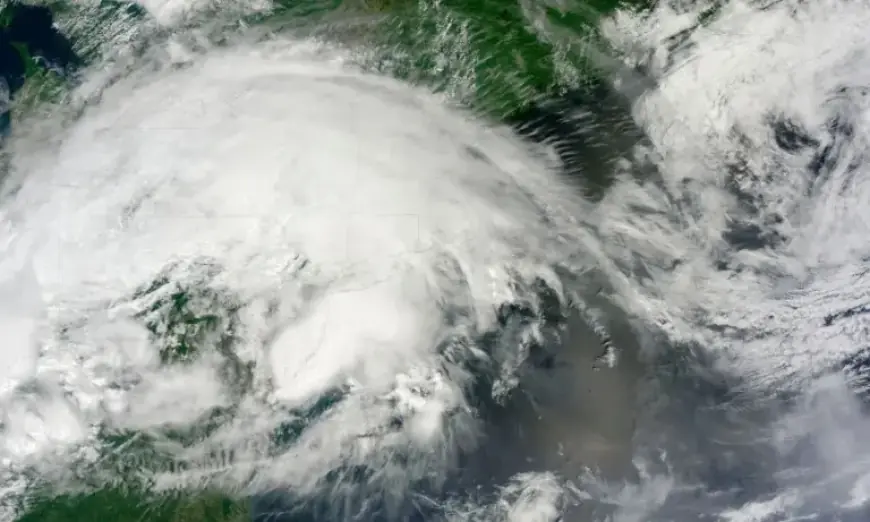
In the wake of increased extreme weather events, the resilience of the electrical grid has become a pressing concern. A recent report from UCS highlights the connection between climate change and power outages across the central United States. This analysis spans from 2014 to 2024 and emphasizes attribution science’s vital role in understanding and mitigating future grid disruptions.
Assessing the Impact of Extreme Weather on Grid Resilience
Extreme weather events, such as hurricanes and severe thunderstorms, are reshaping our approach to grid reliability. The UCS report documents that these extreme events caused all significant power outages in the central U.S. within the specified timeframe. The growing intensity and frequency of these climate-related events are contributing to grid stress, complicating recovery efforts.
Climate Change Amplifying Risks
Climate change is increasingly linked with severe weather conditions. Key findings indicate:
- Heatwaves degrade transmission efficiency.
- Heavy rainfall causes flooding in power substations.
- Compound storms damage multiple grid components simultaneously.
From 2014 to 2024, compound events, such as simultaneous tornadoes and floods, have exacerbated power outages. For example, Hurricane Delta’s impact was intensified when it encountered subsequent flooding, leading to prolonged outages.
Attribution Science: A Tool for Understanding
Attribution science helps quantify climate change’s specific contributions to extreme weather events. By utilizing climate models, researchers can determine how human activity has intensified certain scenarios. For instance, studies indicate that climate change increased rainfall by 11% during hurricane-strength storms in the North Atlantic, including notable storms like Hurricanes Delta and Zeta.
Projected Trends in Extreme Weather Events
The UCS report highlights alarming trends in power outages, showing that the most severe incidents have occurred since 2020. Climate models predict a continued rise in both the frequency and intensity of extreme events, necessitating proactive measures for grid adaptation.
Recent Data on Major Power Outages
| Date | Event | Peak Daily Customers Affected |
|---|---|---|
| June 11, 2020 | Derecho | 798,028 |
| August 11, 2020 | Derecho | 1,642,616 |
| August 27, 2020 | Hurricane Laura | 1,004,355 |
| October 10, 2020 | Hurricane Delta | 961,100 |
| October 29, 2020 | Hurricane Zeta | 841,296 |
Strategies for Enhancing Grid Resilience
To combat the increasing threat posed by extreme weather, investment in a climate-resilient grid is crucial. This approach involves not only infrastructure improvements but also leveraging scientific data. Research from reputable institutions like NOAA and NASA forms the backbone of this knowledge, which informs weather forecasting and grid planning.
As decision-makers consider future grid resilience, it is vital to prioritize policies that reduce vulnerability to extreme weather influenced by climate change. The goal is to ensure that communities are prepared for the challenges ahead, safeguarding both infrastructure and residents.