

















2026 Baseball Hall of Fame Ballot Unveiled: Key Insights

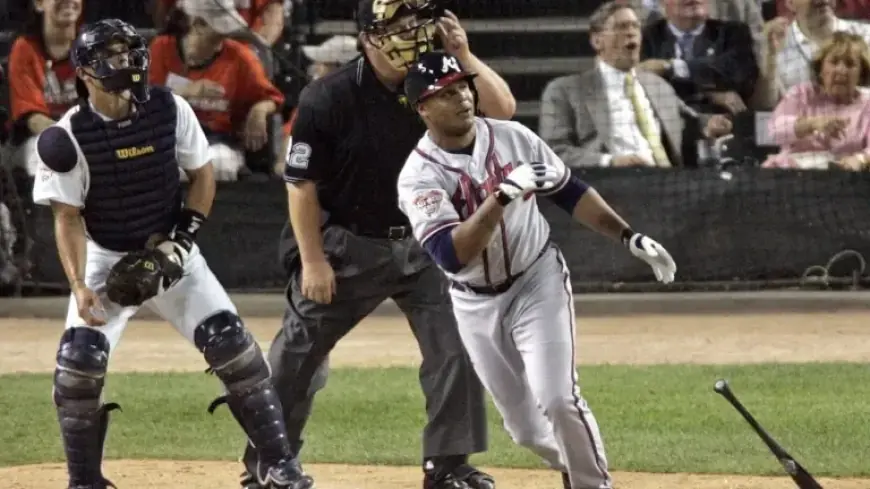
The 2026 Baseball Hall of Fame ballot has been unveiled, featuring a mix of familiar names and new candidates. The announcement for the voting results will come on Tuesday at 6 p.m. ET. Among the noteworthy candidates are Carlos Beltran and Andruw Jones, who are both seeking induction.
2026 Baseball Hall of Fame Ballot Overview
This year’s ballot includes 27 players with a combined 1,282 Wins Above Replacement (WAR). Notably, 11 of these players have exceeded 50 career WAR. While the 2025 ballot was considered weak, the 2026 version has raised similar concerns among baseball analysts.
Notable Candidates
- Carlos Beltran: Received 70.3% of the vote last year. Currently polling at 89.2% on revealed ballots.
- Andruw Jones: Achieved 66.2% in the previous voting cycle; now at 83.5% on public ballots.
- Cole Hamels: A notable newcomer with a career WAR of 57.9, primarily recognized for his performance in the 2008 World Series.
Historical Context
A comparison to past ballots shows a concerning trend regarding the representation of center fielders in the Hall of Fame. Currently, there are only four center fielders enshrined, tied for the fewest among primary positions. This year offers an opportunity to recognize the contributions of Beltran and Jones.
Voting Guidelines
To be elected into the Hall of Fame, a player must receive at least 75% of the votes. Meanwhile, a candidate must secure 5% of the vote to remain on future ballots. Writers are permitted to vote for up to 10 players, and candidates can remain on the ballot for a decade.
Comparative Player Analysis
Chase Utley, also on the ballot, represents the changing standards for Hall of Fame candidacy. He currently stands at 67.9% of public votes, having improved significantly from 51.6% last year. His performance metrics closely mirror those of Todd Helton, who was inducted last year after a gradual build-up of support.
Utley’s stats include a career average of .275 with 259 home runs, contrasting with Jeff Kent’s .290 average and 377 home runs. This presents a significant discussion point regarding the value placed on peak performance versus career longevity.
Future Considerations
Looking ahead, the impact of the 2026 Baseball Hall of Fame ballot could shape the discussions around player qualifications for years to come. As baseball evolves, so might the criteria used to evaluate Hall of Fame candidates. From new opinions on the value of peak performance to the changing perspectives on traditional statistics, the landscape is shifting.
In conclusion, as the results for the 2026 Baseball Hall of Fame ballot loom, fans and analysts alike are eager to see which players will make the cut amid a historically weak ballot.