Trump Administration Challenges Restrictions on Agents’ Methods for Minnesota Protesters

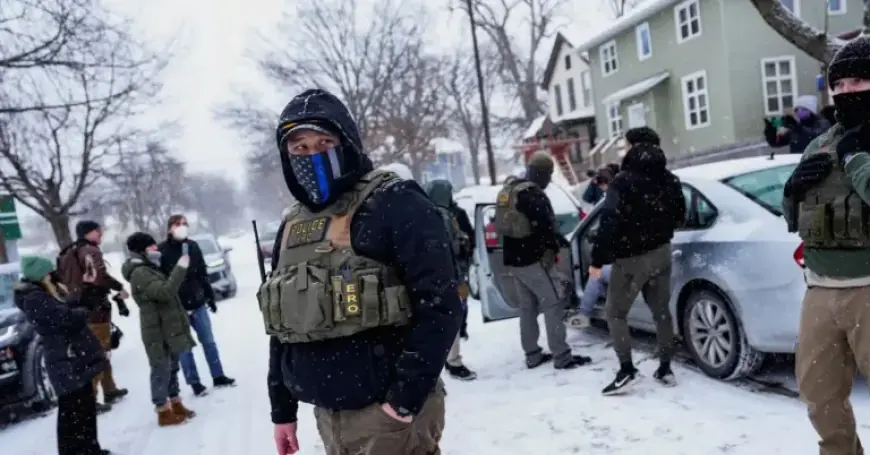
The Trump administration has announced its decision to appeal a federal judge’s ruling regarding the conduct of immigration agents in Minneapolis. This appeal follows an order that limits the methods federal officers can use against peaceful demonstrators and observers.
Background of the Ruling
On January 19, the Department of Justice filed an appeal against an order issued on January 18. This order was part of a lawsuit initiated on December 17, highlighting concerns about constitutional rights violations by U.S. Immigration and Customs Enforcement (ICE) agents.
Impact of the Shooting Incident
The controversy intensified after an ICE agent fatally shot 37-year-old Renee Good in Minneapolis, leading to widespread protests. This incident galvanized public attention towards the tactics employed by federal agents in the area.
Key Provisions of the Court Ruling
- Federal officers are prohibited from arresting peaceful demonstrators.
- Use of tear gas and pepper spray against non-violent protesters or observers is banned.
- Detentions are only allowed if there is reasonable suspicion of law violations.
The Rationale for Legal Action
The court case was brought forward by six protesters and observers who claimed their rights were infringed upon during immigration enforcement operations. Their allegations highlighted concerns over excessive force and unjust detainment practices.
Federal Response to Immigration Protests
In recent weeks, the Trump administration has deployed thousands of immigration agents to increase deportations of individuals residing in the country without authorization. The reaction to this heightened presence has been significant, escalating tensions in the community.
The outcome of this appeal could reshape the landscape of law enforcement actions in relation to peaceful protests in the United States, especially concerning immigration enforcement activities. Filmogaz.com will continue to monitor developments in this case.