Mexico and Global Powers Confront Unprecedented Tourism Inflation Amid Oil Shortage

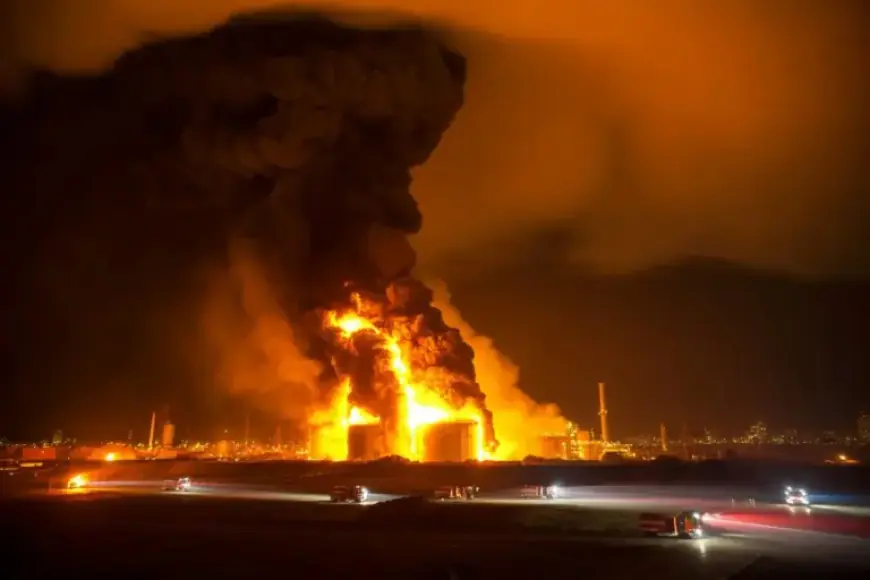
Various nations, including Mexico, the United States, Canada, China, the United Kingdom, France, Germany, and India, are grappling with an unprecedented surge in tourism inflation. This scenario stems from a global oil shortage intensified by the blockade of the Strait of Hormuz, severely impacting over 40 countries’ tourism sectors. As oil prices soar past $114 per barrel, the pressure mounts on airlines, hotels, and other travel-related businesses.
The Strait of Hormuz Blockade and Its Consequences
The Strait of Hormuz is a crucial maritime route, and ongoing regional conflicts have led to a blockade, effectively reducing commercial shipping traffic by approximately 90%. Although the strait is technically open, security risks have made passage exceedingly hazardous, resulting in an environment where many vessels no longer venture through the region.
- Current oil prices have exceeded $114 per barrel.
- Shipping costs are climbing due to surcharges affecting logistics.
- Major shipping companies have implemented force majeure clauses as a response to disruptions.
Rising Costs Across the Travel Sector
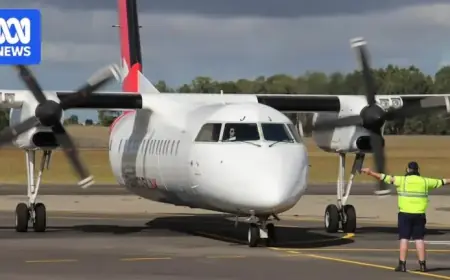
With oil prices increasing, airlines face record fuel expenses. This financial burden compels them to raise ticket fares on international flights. Hotels and tourism businesses are also struggling with escalating energy bills and supply chain difficulties. As a result, travelers are likely to see heightened costs across various sectors.
Regional Impacts on Travel Demand
Mexico’s tourism sector might witness a shift as travelers seek closer, more affordable destinations. The rising cost of long-haul travel could divert some tourists to regions like Cancun and Los Cabos. However, fluctuations in logistical costs for imported goods could still hinder the hospitality industry.
- Airfare increases due to jet fuel cost surges.
- Potential boosts in bookings from North American travelers.
- Rising costs for essential supplies affecting hotel operations.
International Aviation Patterns Affected
The broader tourism inflation reflects a complex global landscape influenced by the oil crisis. Different countries are experiencing varying impacts:
| Country | Main Impact |
|---|---|
| United States | Higher operating costs and domestic travel preference shifts. |
| Canada | Increased international airfares affecting inbound tourism. |
| China | Changes in travel patterns favoring domestic tourism. |
| United Kingdom | Rising costs reducing the appeal of long-haul flights. |
| France | Decreased international arrivals affecting hospitality. |
Conclusion
The ongoing blockade in the Strait of Hormuz poses a significant challenge to global tourism, causing unprecedented inflation across the sector. Countries like Mexico, alongside global powers, are feeling the economic strain as rising oil prices lead to higher travel costs. As negotiations for stability continue, the repercussions will likely reshape international travel patterns throughout 2026 and beyond.