U.S. Criticizes Canada’s Deal on Affordable Chinese Electric Vehicles

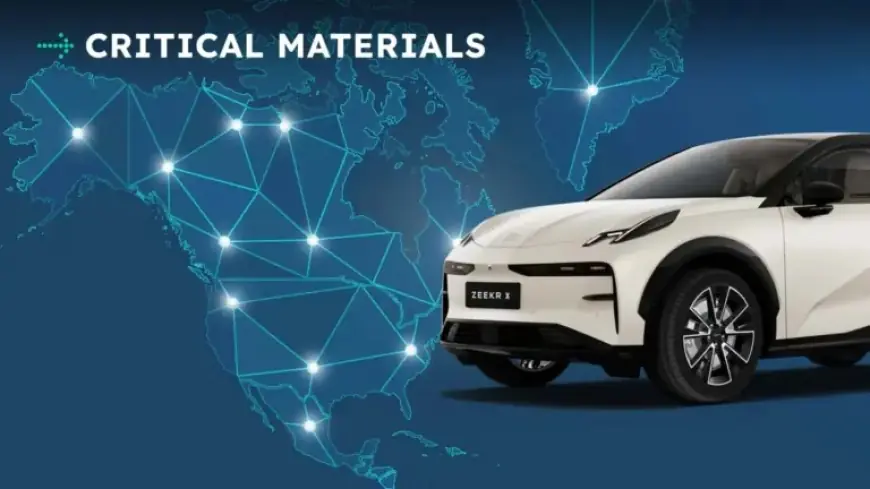
As the global automotive landscape evolves, the United States has expressed concerns over a recent trade agreement between Canada and China regarding affordable electric vehicles (EVs). This agreement could significantly impact the U.S. auto industry, emphasizing affordability and market accessibility.
U.S. Concerns Over Canada-China Deal on Affordable EVs
The trade deal, announced in 2026, permits Canada to import a limited number of Chinese electric vehicles. Initially capped at 49,000 vehicles in the first year, the limit will rise to 70,000 over five years. Notably, the imported vehicles are expected to be priced under $25,000 U.S. (approximately $35,000 CAD), making them highly competitive in the market.
Potential Impact on the U.S. Auto Industry
U.S. officials are apprehensive about how this deal could affect domestic automotive jobs. Senator Brian Schatz from Hawaii criticized the agreement as a disaster for U.S.-Canada relations and warned of its economic implications. “We just got absolutely rolled in this Canada-China deal,” Schatz stated, emphasizing the need for loyalty in foreign policy.
In stark contrast, former President Donald Trump appeared to endorse the trade agreement, suggesting that securing deals with China could be advantageous. Other U.S. economic analysts have voiced skepticism, fearing Canada might regret the decision as it navigates the complexities of this agreement.
Standards and Competitive Edge
Chinese automakers must comply with Canadian market standards, which are similar to those imposed in the U.S. This requirement may drive additional investments in Canadian manufacturing. Mark Wakefield, a global automotive market expert, predicts that Chinese brands could claim 30% of the global car market by 2030, indicating a significant shift in the industry.
- Potential Growth: 30% market share for Chinese brands by 2030.
- Vehicle Pricing: Many imports priced under $25,000 U.S.
- Import Limits: 49,000 vehicles in Year 1, increasing to 70,000 in five years.
The Shift Toward Affordability
The crux of the issue lies in affordability. The rising costs of vehicles in North America have led to heightened consumer anxiety. According to automotive consulting firm S&P Global Mobility, market constraints, primarily related to pricing, are significant barriers to vehicle purchases.
Statistically, it now takes approximately 36 weeks of median income to afford an average new vehicle. Although this is an improvement from previous years, it illustrates ongoing affordability challenges. Automakers are being urged to produce models priced below $40,000, with some considering returning to the sedan market.
Future Perspectives on Electric Vehicles
As the landscape shifts, the affordability of electric vehicles remains paramount. Falling battery costs could help make EVs more accessible. However, if established manufacturers fail to meet consumers’ demands for affordability, there is an opportunity for Chinese manufacturers to fill that gap effectively, bringing competitive pricing to the North American market.
Ultimately, the U.S. auto industry must navigate these changes strategically. Balancing domestic production loyalty with the need to provide affordable options will be crucial in an increasingly competitive global market.