Trump Eyes Control of Strait of Hormuz, Declares War Situation “Complete”

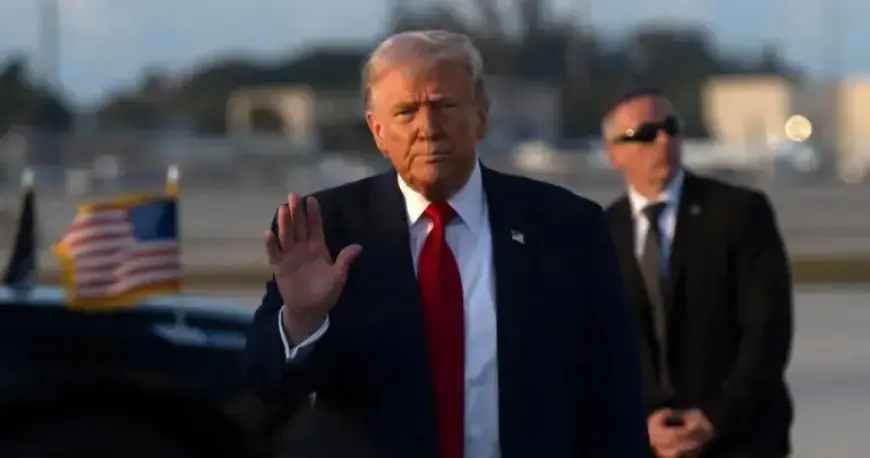
In a recent phone interview with CBS News, President Trump shared his perspective on the ongoing conflict with Iran. He stated that the U.S. war could nearly be over, describing the situation as “very complete.” The remarks were made from his golf club in Doral, Florida.
Current Status of the Conflict
Trump detailed the weakened military capabilities of Iran, noting a significant decline in their naval, aerial, and missile resources. He asserted that the U.S. military had successfully targeted over 3,000 Iranian sites during the operation’s initial week. According to Trump, Iran’s military is largely incapacitated.
- Iran lacks a cohesive navy and air force.
- Iranian missiles and drones have suffered substantial losses.
- Over 3,000 Iranian targets were attacked in the first week by U.S. forces.
Impact on Global Trade
Commercial shipping through the Strait of Hormuz has come to a standstill, a crucial point for global oil transport. Approximately 20% of the world’s oil supply passes through this strait.
U.S. Stance on the Strait of Hormuz
President Trump warned Iran against any actions that could disrupt this vital waterway. He indicated that the U.S. could take significant measures to ensure the strait remains open. His statement suggested a potential for increased military control over the area.
Leadership Changes in Iran
In a notable political shift, Iran announced Ayatollah Mojtaba Khamenei will succeed his father as the supreme leader. When asked about the new leader, Trump claimed he had no messages for him but indicated he had a different leader in mind for Iran.
Casualties and Future Expectations
So far, seven American servicemen have lost their lives in the conflict. On the same day, Vice President JD Vance was scheduled to attend a dignified transfer ceremony for U.S. Army Sgt. Benjamin Pennington, who was injured in a March attack in Saudi Arabia.
Reflecting on the war’s duration, Trump initially predicted it would conclude within a month. However, he asserted that operations were progressing more swiftly than anticipated. Despite his optimistic outlook, the Department of Defense communicated a contrasting message, emphasizing that operations were just beginning and pledging to show “no mercy.”