Tereza Valentova arrives at the Australian Open spotlight after a breakout rise

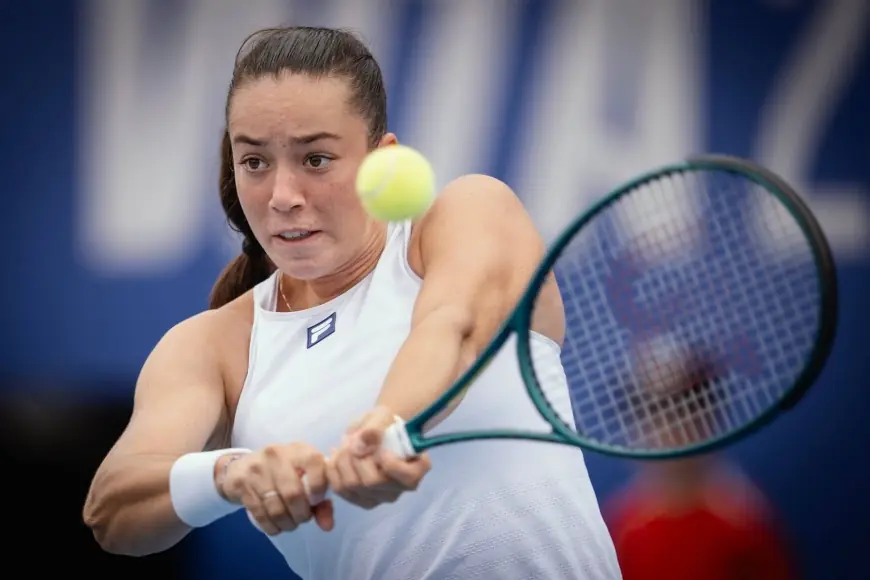
Tereza Valentova is stepping onto one of tennis’s biggest stages with momentum, buzz, and a rapidly rising profile. The 18-year-old Czech has pushed her ranking into the mid-50s range and is now testing that progress in a Grand Slam setting as the Australian Open’s first round unfolds in Melbourne on Tuesday, January 20, 2026 (local time).
Her opening assignment is a telling one: a meeting with Australia’s Maya Joint, a matchup that blends home-crowd energy and experience of the conditions against Valentova’s recent surge and growing confidence. For Valentova, it’s the kind of early-round challenge that can define a tournament, not only by the result but by what it reveals about how her game holds up under the brightest lights.
Tereza Valentova’s rapid climb sets the tone for 2026
Valentova’s rise hasn’t been quiet. In recent months she has been grouped among the teenagers hitting new career highs, and the early 2026 season has reinforced the sense that her level is trending upward rather than settling. The significance of a ranking in this range is practical as much as symbolic: it opens doors to main-draw opportunities, improves draws, and reduces the weekly scramble for entry that often stalls young players’ development.
That upward curve also changes expectations. A teenager ranked outside the top 100 can play freely; a teenager hovering around the top 50 enters matches with scouting reports, targeted game plans from opponents, and the pressure that comes from being “the one to watch.”
What happened in Adelaide, and why it matters
Valentova’s recent match against Madison Keys in Adelaide offered a useful preview of where she is right now. Keys ultimately pulled away in straight sets, but the first set was competitive enough to show that Valentova can trade pace and absorb pressure against established power hitters.
The lesson from that kind of match is rarely a single technical fix. It’s usually about margins: sustaining first-serve quality under stress, choosing the right moments to pull the trigger on big groundstrokes, and defending with purpose rather than simply surviving. Against elite opponents, a brief dip in depth or footwork becomes a cascade of break points. Valentova’s ability to hold her structure when rallies speed up is one of the key markers that will determine how quickly she converts “promising” into “dangerous.”
Tereza Valentova vs Maya Joint: styles, nerves, and the home factor
This first-round pairing is intriguing because both players bring a form of momentum:
-
Valentova arrives with the confidence of a fast-improving ranking and exposure to top-level pace in recent weeks.
-
Joint brings familiarity with the environment and the emotional lift that comes with playing at home in a major.
In practical terms, the match could hinge on three areas:
-
Serve patterns and first-strike tennis
If Valentova lands a high first-serve percentage and earns short balls early, she can keep points on her terms and avoid being pulled into reactive defending. -
Return depth under pressure
First-round Grand Slam matches often swing on return games because nerves show up there first. Neutralizing the first shot and getting returns deep down the middle can blunt the opponent’s favorite patterns. -
Emotional control in momentum swings
With a home crowd involved, there may be loud surges after a string of points. Valentova’s challenge is to treat those moments as noise, reset quickly, and keep her decision-making stable.
The bigger picture: why this Australian Open matters for Valentova
Even a single Grand Slam win can be catalytic for a young player’s season. It brings ranking points, confidence, and often a more manageable schedule because main-draw entries become easier. For Valentova, this tournament is also about validating the last year of progress against the unique pressures of Slam tennis: longer matches, packed stadiums, and the mental fatigue that builds across two weeks.
Regardless of the outcome, the indicators to watch are clear: does she maintain aggression without rushing, can she defend effectively without losing court position, and does she handle tight scorelines like a player who expects to be here?
If she ticks those boxes, Tereza Valentova’s 2026 won’t be framed as a “breakthrough attempt.” It will look more like a continuation of a climb that’s already well underway.