EVs Remain Affordable Despite Oil Prices Surpassing $100 per Barrel

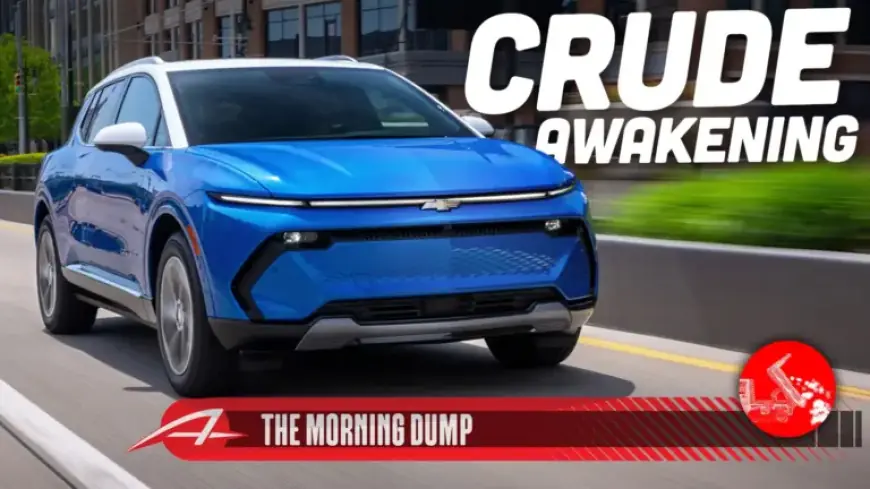
As oil prices surge past $100 per barrel, electric vehicles (EVs) present an affordable option for consumers. This contrast highlights an intriguing development at a time of escalating energy prices. With Brent crude hitting nearly $119.50 recently before retreating to around $100, the energy landscape is changing rapidly, directly impacting consumer choices.
Current Energy Crisis and Implications
The onset of a significant energy crisis has brought attention to potential remedies. Amidst rising oil prices, there is a growing interest in EVs among consumers looking to save on fuel costs. Yet, EV sales have unexpectedly declined this year, accounting for only 5-6% of the overall automotive market, down from approximately 12% last year.
Market Response to Rising Fuel Prices
- As crude prices escalate, the average cost of gasoline could reach $4 per gallon by summer.
- High oil costs may finally motivate consumers to consider EVs over traditional vehicles.
- Despite heavy incentives from manufacturers, demand for EVs remains subdued.
Automakers are responding with substantial discounts to spur sales. For instance, some dealerships have offered discounts upwards of $6,000 on models like the 2026 Chevy Equinox EV RS. This situation illustrates the industry’s struggle to generate demand amidst high inventory levels.
Production Trends and Future Projections
Current production cuts among manufacturers could indicate a tighter future market. The EV inventory is relatively high, currently averaging about 168 days of stock. However, the situation might shift as older models are sold, particularly in regions where consumers seek energy-efficient alternatives.
- GM’s Bolt and Nissan’s updated Leaf feature prominently in sales discussions.
- National production levels may drop if demand for gas vehicles continues to decline.
Impact of External Factors
The geopolitical landscape, including tensions in Iran, has also influenced oil markets. Economists point out that disruptions in major oil-producing regions can lead to significant fluctuations in fuel costs. Meanwhile, a substantial percentage of EV sales once fueled by tax incentives are now affected by the changing market dynamics.
Conclusion
While the promise of affordable EVs exists, their sales trajectories challenge the expectations set by rising oil prices. If the energy crisis persists and gas prices soar, the demand for electric vehicles may finally gain the traction needed to shift consumer preferences. However, the automotive industry must navigate a complex web of economic factors to harness this potential.