Sag Aftra talks stretch into next week as WGA members back a hard-line agenda in 3 pressure points

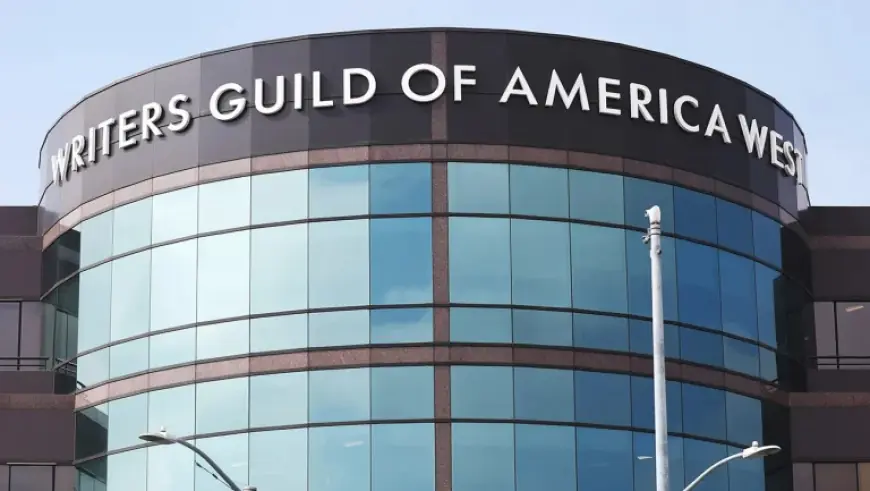
sag aftra has agreed with studios to extend negotiations into next week, a timing shift that lands just as Writers Guild of America members overwhelmingly approved a bargaining agenda centered on health plan funding, artificial intelligence protections, and compensation. The alignment is less about choreography than leverage: one union’s ongoing talks and another union’s freshly ratified priorities create a tighter window for the industry’s biggest unresolved questions—how to pay for benefits, how to govern AI as it evolves, and how to reset pay in a streaming-era economy.
Sag Aftra timeline extension collides with the WGA’s member mandate
The Writers Guild of America said more than 97 percent of participating members voted to approve its slate of contract priorities ahead of negotiations set to begin with the Alliance of Motion Picture and Television Producers on March 16. The union’s agenda, released on Friday, emphasizes three linked tracks: shoring up the guild’s health plan, expanding AI protections, and improving compensation.
On the same day, the performers’ union SAG-AFTRA said its negotiations—begun on Feb. 9—will continue through next week. On its face, the extension is procedural. In practice, it becomes part of the bargaining environment the WGA is walking into: labor expectations have been publicly defined, and the calendar is now crowded with overlapping negotiations.
Filmogaz analysis: the most consequential development is not a single demand, but the convergence of member authorization and an extended negotiating timeline. That convergence can narrow the margin for incrementalism, because it keeps attention fixed on unresolved structural costs—especially benefits funding—while AI and pay remain politically salient to members.
Health plan funding: the quiet crisis that turns into the headline issue
The WGA’s pattern of demands depicts a union focused on increasing contributions to its benefits plans and increasing the maximum amount employers can pay into those plans. The urgency is explicit in the guild’s own financial context: its health fund cumulatively lost $122 million in 2023 and 2024, based on tax returns cited in the guild’s framing of the issue. The union also points to a decline in Hollywood work and broader health care inflation as pressures.
Those specifics matter because benefit funding is not a symbolic demand; it is a math problem. When work declines, contributions tied to employment can soften at the same time health costs rise, pushing a plan toward deficits that quickly become bargaining priorities. Even without the WGA disclosing precise proposals, the stated direction—higher contributions and higher caps—signals that benefit solvency is being treated as foundational, not secondary.
Filmogaz analysis: benefit funding has a spillover effect. If the health plan’s financial health becomes a centerpiece, it can pull other issues—minimum rates, residuals, and staffing-related protections—into a single argument about sustaining careers. That narrative can harden positions on both sides because it reframes compensation discussions as a prerequisite for maintaining core benefits.
AI and compensation: what “strong” protections mean when the technology keeps moving
AI is positioned as another point of discussion for the WGA. The union notes that it wants to expand protections as the technology develops, even as protections set in the 2023 contract were generally considered strong. The emphasis on evolution is a key detail: it suggests the union sees AI governance as a continuing process rather than a one-time clause.
Compensation priorities are also expansive. The WGA says it will pursue increases to minimum compensation rates; higher minimums for “page one” rewrites; higher residuals for reuse in streaming; and attention to pay rates for writers in post-production as well as comedy/variety, quiz, and audience writers. It also signals an intent to challenge common industry practices, including what it describes as “free work, ” and to build on a 2023 breakthrough that added a second “step, ” or point of payment, for screenwriters. The guild further wants guardrails around if/come deals, screen roundtables, and employment on TV series.
Filmogaz analysis: these priorities are unified by one theme—reducing unpaid or underpaid labor while tracking how work is reused and repurposed in streaming. The AI piece fits this theme because it touches authorship, control, and downstream value. In that sense, sag aftra continuing talks into next week is more than scheduling; it is a reminder that multiple unions are pressing on the same pressure points at once, even if each frames the issues through its own craft and contract language.
Member meetings, cancellations, and the practical limits of transparency
The WGA previously reviewed its objectives with members at meetings at the Sheraton Universal in Los Angeles on Feb. 11 and at the DC 37 office in New York on Feb. 17. Two additional member meetings were scheduled but later canceled once the guild’s own West Coast staff members went on strike. Meanwhile, the guild’s pattern of demands was described as light on details, with specific proposals being kept “close to the vest” for now.
These details underline a tension inherent in modern bargaining: members want visibility into negotiating goals, but unions also preserve tactical flexibility by limiting granular disclosures. The cancellations mean the messaging environment is less controlled, potentially raising the stakes for public, high-level commitments like “expand AI protections” or “shore up the health plan. ”
Institutions at the table: AMPTP, major companies, and a compressed negotiating season
The WGA’s negotiations are slated to start with the Alliance of Motion Picture and Television Producers, which represents studios and streamers in labor negotiations. The WGA’s upcoming talks will be its first bargaining table session with major companies—including Netflix, Warner Bros., Universal, and Paramount—since the guild conducted a 148-day strike in 2023 over compensation in the streaming age and generative AI.
Filmogaz analysis: the negotiations now face a tighter calendar and a heavier legacy. With sag aftra negotiations extended into next week and the WGA preparing to open talks on March 16, the industry’s near-term labor stability hinges on whether benefit funding, AI guardrails, and streaming-era pay can be addressed in a way that convinces members their core concerns are being met. The next question is whether the parties can translate broad priorities into workable terms before bargaining momentum turns into another cycle of escalation.