Stephen Miller Commands Minneapolis Police to Yield to Federal Control

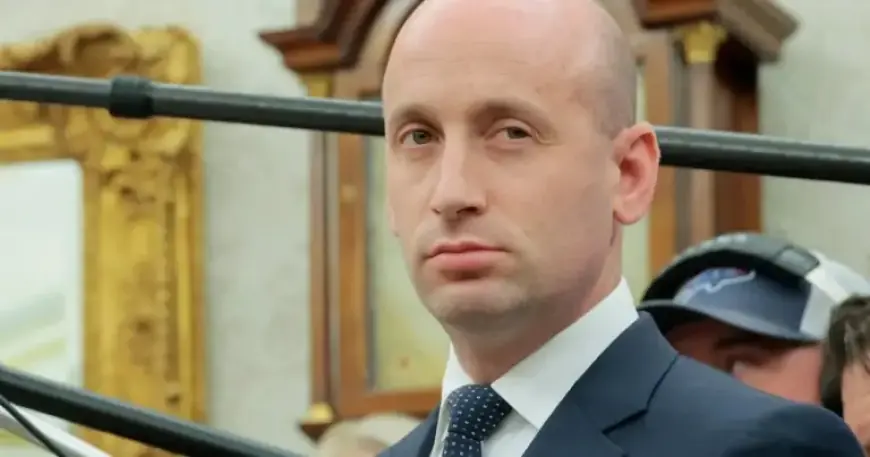
In a controversial statement, Stephen Miller, Deputy Chief of Staff at the White House, claimed that local and state law enforcement in Minneapolis have been instructed to yield to federal authority. This assertion arose amidst nationwide protests following the on-duty killing of Renee Nicole Good by ICE agents. Miller’s comments were a response to New York Post columnist Miranda Devine, who stated that local police had become disengaged.
Federal Control and Local Law Enforcement
Miller firmly stated, “Local and state police have been ordered to stand down and surrender,” in reference to the federal government’s role during these protests. This phrase raised concerns about the misunderstanding of the constitutional limitations on federal authority over local law enforcement.
Background on the Incident
The backlash from Miller’s remarks comes as President Trump has deployed numerous immigration agents to Minneapolis. Protests escalated after ICE agents shot and killed Renee Nicole Good, a U.S. citizen and mother of three, during a demonstration on January 7. Minnesota Governor Tim Walz has since urged citizens to document alleged abuses by ICE.
Legal Context
Experts pointed out that according to the 10th Amendment of the U.S. Constitution, the federal government cannot command local police to surrender. Additionally, such an action would only make sense in a wartime context, which does not apply here. The Insurrection Act of 1807, which Miller hinted at, allows a president to deploy military force during significant unrest, but it does not permit martial law or replacement of local governance.
Response and Reactions
- Trump threatened to invoke the Insurrection Act via a Truth Social post.
- Minnesota law enforcement faced accusations of engaging in an insurgency against federal authority.
- Local officials such as Mayor Jacob Frey openly opposed ICE, with Frey urging them to “Get the f— out of Minneapolis.”
These developments highlight the ongoing tension between local governance and federal authority. The conflict has stirred strong reactions from officials at both levels, raising significant legal and ethical questions.
Community Impact and Future Actions
The situation in Minneapolis has incited further protests, challenging the relationship between federal agencies and local communities. Governor Walz has encouraged peaceful protests, urging demonstrators to document incidents of alleged federal aggression. As tensions remain high, the focus will likely continue to shift toward federal actions and local opposition.
This evolving narrative emphasizes the need for clarity regarding law enforcement roles and the constitutional boundaries that govern them.