












Revisiting Past Omissions in My 2026 Hall of Fame Ballot

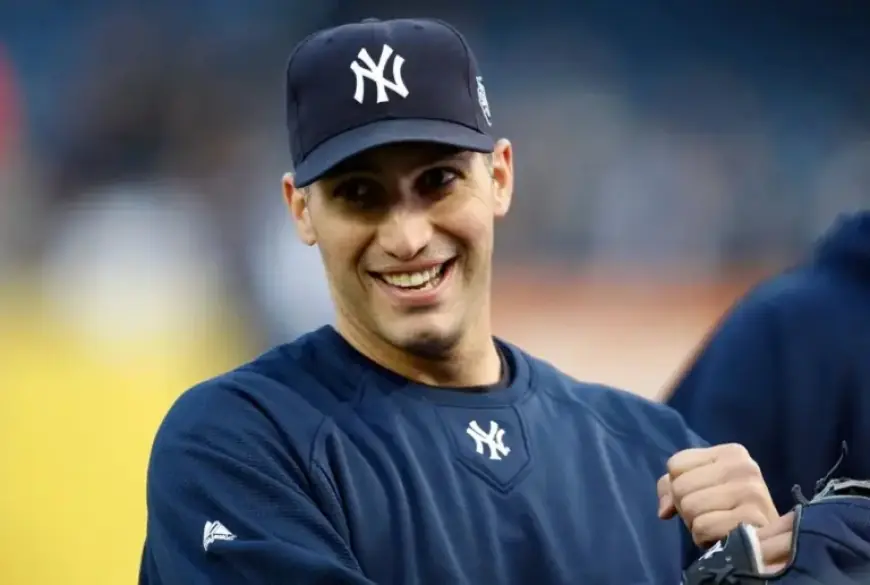
This year’s Hall of Fame ballot showcases a significant shift in how players are evaluated. Voters are encouraged to reconsider their criteria, focusing more on a player’s peak performance rather than solely on longevity.
Key Takeaways from My 2026 Hall of Fame Ballot
Several prominent players were highlighted for their impressive, albeit shorter, careers. This shift is critical as the game evolves and performance standards change.
New Candidates and Notable Selections
- Dustin Pedroia – Career shortened by injury; a two-time World Series champion and four-time Gold Glove winner.
- David Wright – Known for a career OPS-plus of 133, contributing greatly despite injuries.
- Félix Hernández – A former Cy Young winner, his exceptional prime lasted until injuries hindered his performance.
- Mark Buehrle – Notable for throwing over 3,000 innings; his consistent performance merits Hall of Fame consideration.
- Cole Hamels – Making his ballot debut, he had a strong postseason track record, including World Series MVP honors.
Returning Contenders
Several players continue to be on the ballot, reflecting their ongoing contributions to the sport:
- Carlos Beltrán
- Andruw Jones
- Jimmy Rollins
- Chase Utley
The total number of selections adhered to the maximum of ten, reflecting a careful balance between new and returning players.
Debates Around Performance-Enhancing Drugs
A notable exclusion remains for players like Manny Ramirez and Alex Rodriguez. Both faced suspensions after Major League Baseball’s crackdown on performance-enhancing drugs. This decision reflects a clear boundary among voters regarding PED usage.
Statistics and Historical Context
As discussions evolve, the ballot’s statistics become increasingly significant. For example, Buster Posey is expected to be elected soon, despite having fewer than 2,000 hits. Comparatively:
| Player | Career Hits | Home Runs |
|---|---|---|
| Andruw Jones | 1,933 | 434 |
| Chase Utley | 1,885 | 258 |
| Dustin Pedroia | 1,805 | 140 |
| David Wright | 1,777 | 242 |
This data challenges traditional benchmarks for Hall of Fame consideration, sparking passionate debates among voters.
The Future of Hall of Fame Voting
In light of current trends, the ballot committee must remain open to evolving standards. There’s a need for inclusivity regarding players with shorter careers who exhibited peak performance. The Hall of Fame process continues to thrive on varying opinions, rendering every ballot unique and reflective of changing values.
With more players approaching eligibility with impressive records but fewer games played, the discussion around who deserves a place in Cooperstown will only intensify. Each voter must balance legacy, statistics, and evolving perceptions to create a fair and representative Hall of Fame. 2026 promises more electrifying choices and new debates within this cherished tradition.