Japan to Restart World’s Largest Nuclear Plant 15 Years Post-Fukushima

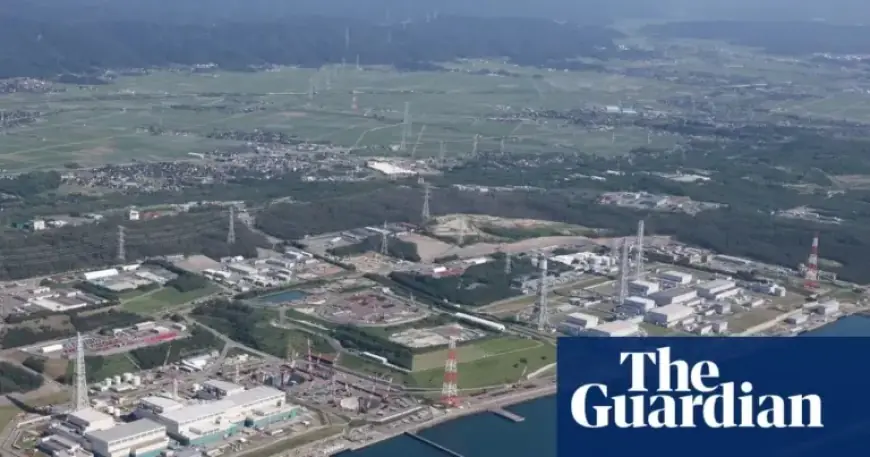
Japan is preparing to restart the Kashiwazaki-Kariwa nuclear power plant, the largest in the world, 15 years after the catastrophic Fukushima disaster. The facility is located in Niigata Prefecture along the Japan Sea coast, covering 4.2 square kilometers. Once operational, its seven reactors can generate 8.2 gigawatts of electricity, sufficient for millions of households.
Kashiwazaki-Kariwa Plant’s Background
Shut down in 2012 following the Fukushima meltdown, the Kashiwazaki-Kariwa plant has not produced electricity since. The Fukushima incident, which occurred in March 2011, was triggered by a powerful tsunami and led to the evacuation of approximately 160,000 residents. The plant, managed by Tokyo Electric Power (Tepco), is situated about 220 kilometers (136 miles) northwest of Tokyo.
Upcoming Restart Plans
On the brink of the 15th anniversary of the Fukushima disaster, Tepco aims to restart one of Kashiwazaki-Kariwa’s reactors. Initially scheduled for a quick restart, the process experienced a delay due to a malfunction during equipment testing. The reactor is now anticipated to resume operations shortly.
Community Concerns and Safety Measures
The planned restart has raised concern among local residents. Approximately 420,000 people live within a 30-kilometer (19-mile) radius of the plant, with plans for evacuation in case of emergencies. Residents like Ryusuke Yoshida express doubts about the effectiveness of evacuation plans, especially for the elderly and those with mobility issues.
- Investment in Local Community: Tepco has committed to investing 100 billion yen (£470 million) in the region over the next decade.
- Safety Upgrades: The plant has implemented various safety enhancements, including improved seawalls and watertight doors.
- Community Engagement: Tepco states that building trust with local residents is essential for the restart process.
Public Opinion and Regulatory Challenges
The majority of the local population remains skeptical about the plant’s safety. A survey indicated that over 60% of those living within the vicinity do not believe conditions for a safe restart have been met. The urge for a prefectural referendum on the plant’s future has been largely ignored.
Seismic Safety Concerns
Seismic activity in the region heightens anxieties regarding the plant’s safety. Historical data shows significant damage from prior earthquakes, raising questions about the plant’s resilience to similar events in the future.
Japan’s Nuclear Future
The Kashiwazaki-Kariwa reactor’s restart embodies Japan’s broader strategy to revitalize its nuclear energy sector amid energy security concerns and ambitious emissions targets. Before the Fukushima disaster, 54 reactors supplied around 30% of Japan’s electricity. Currently, just 14 of 33 operable reactors are active.
As Japan grapples with its nuclear policy, local residents and activists continue to voice opposition. The sentiment reflects a broader distrust in the nuclear industry, now scrutinized following various safety violations and lapses in regulatory integrity.
As the process unfolds, the focus remains on ensuring safety and gaining community confidence. Japan’s nuclear ambitions face critical scrutiny as it attempts to balance energy needs with the imperative of public safety.