

























F1 Teams Warn: New Car Designs to Spark ‘Chaos’ in Melbourne

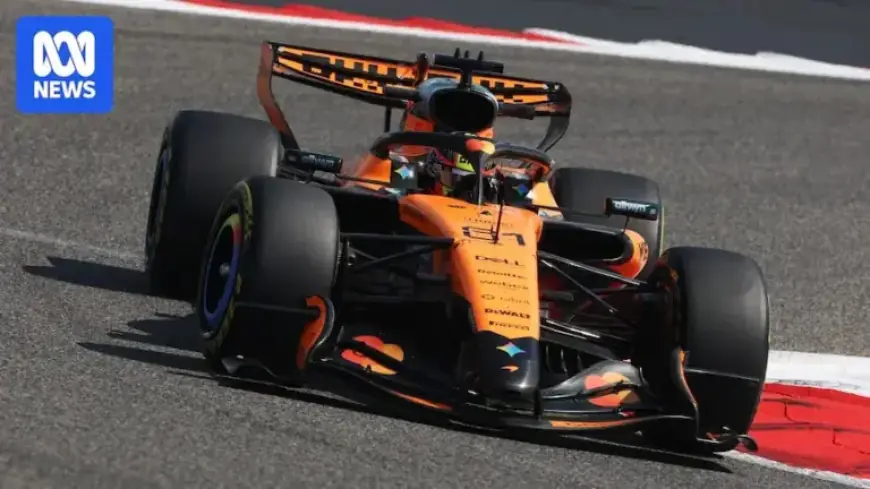
As the countdown begins for the Melbourne Grand Prix in 2026, excitement builds around significant new car designs in Formula 1. This season introduces a major shift in regulations, marking one of the most substantial changes in the sport’s history. Chris Papadopoulos, a former Renault engineer, emphasized that almost every aspect of the vehicles is undergoing transformation.
Major Changes in F1 Regulations
The alterations impact tire specifications, aerodynamics, vehicle dimensions, and engine rules. According to Papadopoulos, this year’s regulation revisions aim to enhance competition among teams. The upcoming races are expected to ignite unpredictable and chaotic outcomes, particularly in the season opener at Melbourne.
The Science Behind F1 Cars
Understanding the design of an F1 car is crucial to appreciating these changes. Bradley Lord from Mercedes describes F1 cars as the most advanced road-going vehicles. They can achieve speeds surpassing 350 kilometers per hour and share similarities with fighter planes in design.
- Key features of F1 cars include:
- Front and rear wings
- Side pods
- Diffuser (a ramp-shaped rear section)
These design elements help maintain grip on the track while achieving high speeds. The governing body, the Fédération Internationale de l’Automobile (FIA), enforces regulations that dictate the dimensions and capabilities of car components. This competitive environment fuels an ongoing quest for innovation, prompting regular updates to regulations.
A Unique F1 Experience
The 2026 season promises a different auditory experience as cars will emit a louder, throatier sound. The elimination of the heat motor generator unit has contributed to this change, allowing fans to enjoy a more visceral atmosphere at the races.
Sustainability in Focus
Despite the louder engines, F1 maintains its commitment to sustainability. The series aims for net-zero carbon emissions by 2030. Cars will utilize both a new V6 engine and batteries, achieving an equal energy split. Additionally, teams are required to use synthetic fuels that lower carbon dioxide emissions significantly compared to previous fuels.
In 2026, regulations also permit larger batteries, which recharge through regenerative braking. However, teams must strategically manage energy recovery within the constraints imposed by the rules, adding a strategic dimension to racing tactics.
Performance Expectations
While lap times may be somewhat slower due to reduced downforce, the acceleration performance of the cars has improved. The redesign results in a 30 percent drop in downforce relative to the previous year, requiring drivers to adopt more conservative cornering techniques.
Driver Experience and Control Issues
Changes to the cars’ floor geometry contribute to a reduction in downforce, making them more challenging to control. Former Williams engineer Sammy Diasinos explains that simplifying the floor design has implications for handling, particularly in high-speed corners.
- Driver experience improvements include:
- Reduced discomfort compared to previous models
- Active aerodynamics for enhanced grip
Anticipation for the Melbourne Grand Prix
As teams prepare for the opening race, there remains uncertainty about performance dynamics. Lord believes that unpredictability will define the Melbourne race, noting that teams are still adapting to the new regulations. Fans can expect thrilling moments filled with excitement and potential chaos on the track.