China’s Economic Growth Slows Due to Real Estate Crash

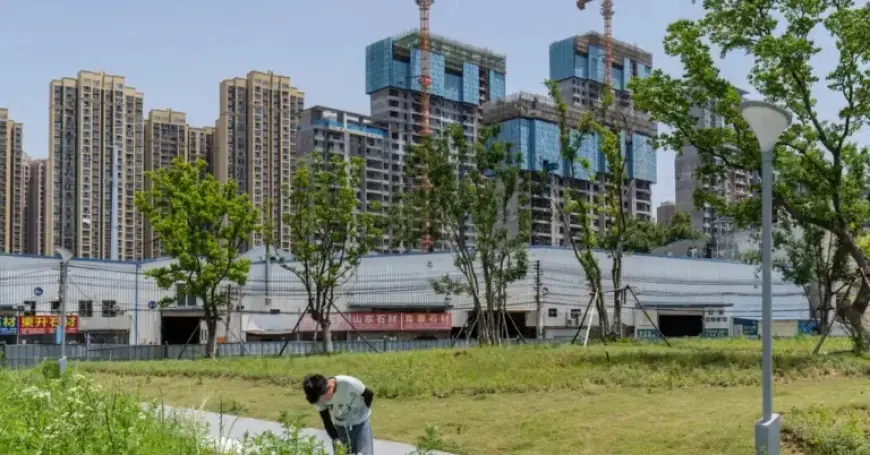
China is grappling with a significant slowdown in economic growth due to a severe real estate crash. New home sales have plummeted to their lowest levels in over 15 years, and existing apartment prices are dropping sharply, making the country’s housing market a critical focal point of concern.
Current Real Estate Crisis
The fallout from the real estate turmoil is evident across various sectors. Many households, negatively impacted by declining property values, are reducing their spending. Consequently, local governments, which rely heavily on real estate for income, are facing difficulties in paying public servants.
Last year’s economic forecast seemed stable amid international challenges. However, the real test for China has emerged from a housing market crisis that has persisted for four years and continues to worsen.
Economic Growth Rates
Despite the tumultuous real estate sector, China’s economy reportedly grew by 5 percent last year, the same as the previous year. This figure aligns with the government’s growth target for two consecutive years. However, the slowdown in the real estate industry has raised skepticism about the accuracy of these statistics.
| Year | Growth Rate | Trade Surplus |
|---|---|---|
| 2024 | 5% | $1.19 trillion |
| 2023 | 5% | Estimated growth at 2.5-3% |
Impact on Consumer Behavior
Weak consumer confidence has led to a stagnation in retail sales. In November, retail sales grew minimally year-over-year, marking the worst performance since the onset of the pandemic. December experienced a slight decline of 0.1 percent. This ongoing decline is affecting buyer sentiment, particularly among first-time homebuyers.
Real Estate Sector Statistics
The real estate sector, once a substantial component of China’s economy, is now facing unprecedented challenges:
- New investment in housing dropped by 3.8 percent last year, the first decline since 1989.
- Home prices have decreased by 20 percent since 2021, similar to the U.S. housing market during the 2008 crash.
- Unsold homes now sit on average for 22.2 months before a sale.
Outlook and Government Response
China’s leaders are implementing measures to regain consumer trust in the housing market. Authorities are censoring negative online posts and halting the release of widely recognized private-sector apartment price indexes. Some experts believe a recovery may commence this year, particularly if government initiatives succeed in transforming existing properties into affordable housing.
However, significant challenges persist. Many local governments struggle with funding for essential services due to decreasing real estate tax revenues. The nation’s housing stock is abundant, yet demographic changes, including declining marriage and birth rates, have diminished the urgency for new home purchases.
As China navigates through this economic downturn, the impacts of the real estate sector will remain a critical issue to monitor in the coming years.